amadla Commands
Sequence diagrams for each amadla subcommand — the C4 dynamics level of the
amadla architecture. Participants are the internal components
from the architecture section: cmd/ (Cobra
subcommands), dag/ (topological sort and parallel tier grouping), and
toolconfig/ (tools.hery parsing, PATH resolution, <tool> info cache) —
plus the externals they talk to: the filesystem
(~/.config/amadla/tools.hery, ~/.cache/amadla/tool-info.json, the entity
directory) and the spawned tool CLIs (hery, raise, lay, enjoin, weaver,
waiter, judge, ...) fed over stdin.
amadla run
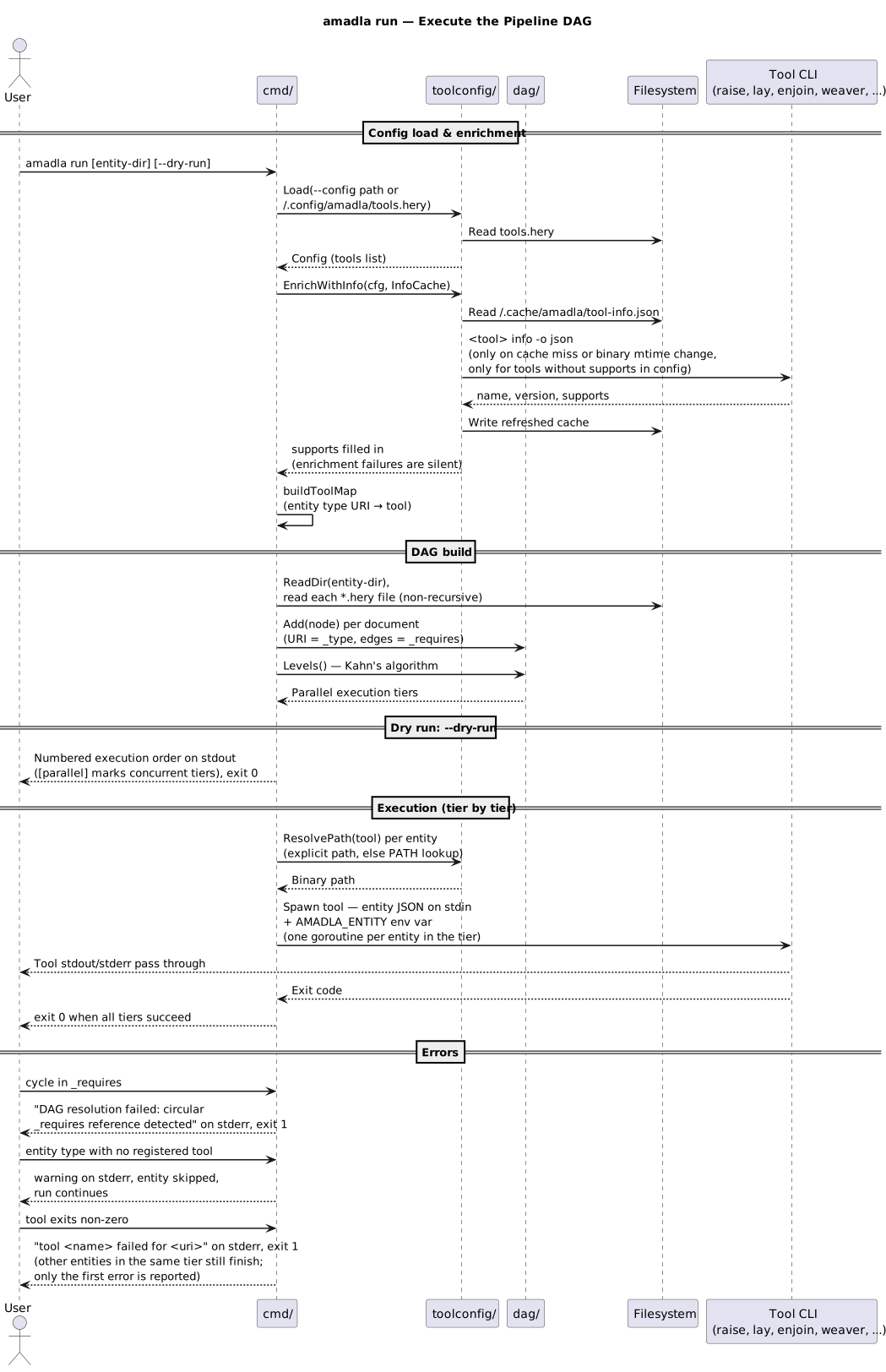
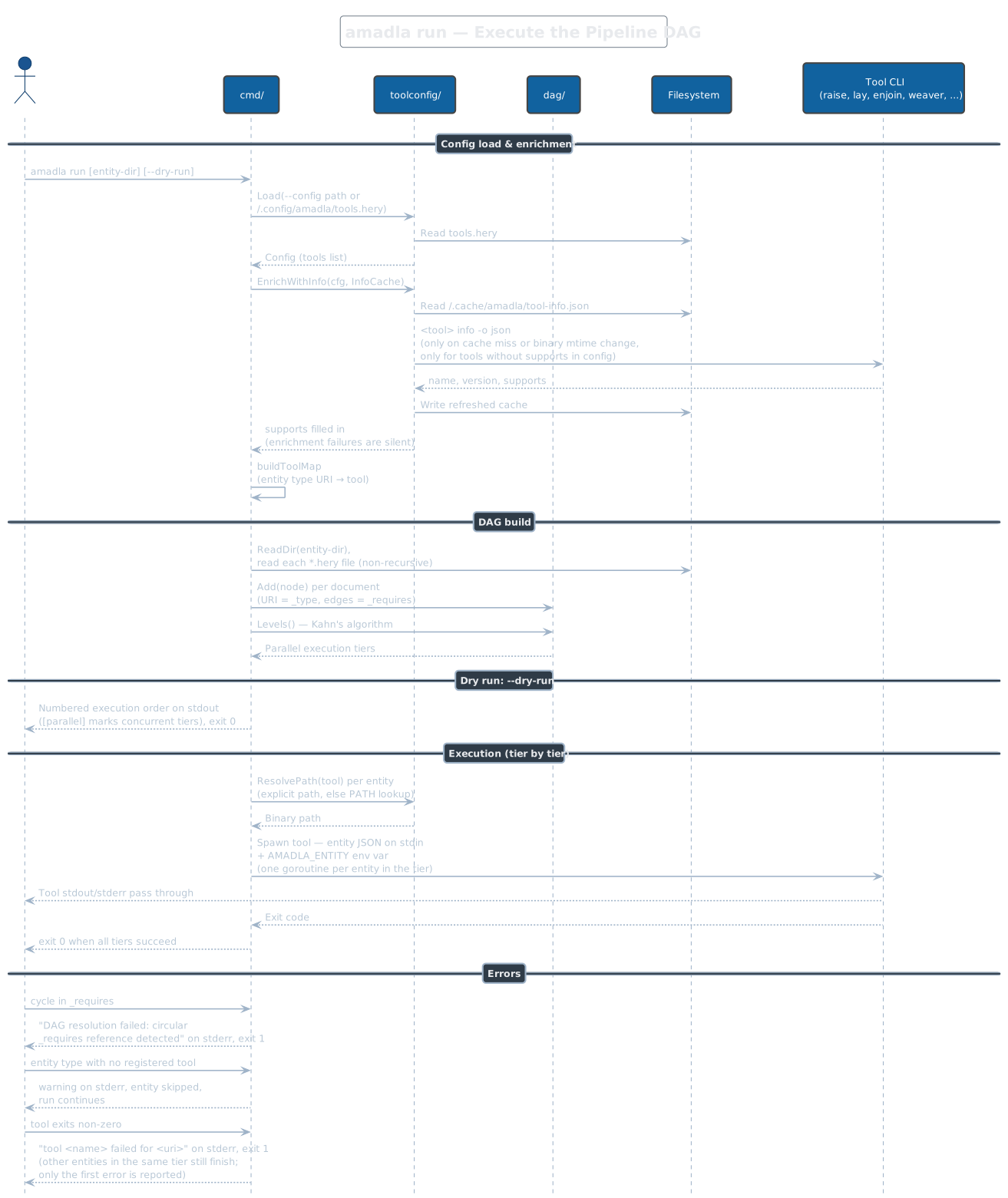
Executes the pipeline: loads tools.hery (--config overrides the default
path), enriches tools missing supports via cached <tool> info -o json,
reads every .hery file in the target directory (non-recursive, current
directory by default), builds a DAG from _requires, and runs entities tier
by tier — entities within a tier run in parallel goroutines. Each entity is
marshaled to JSON and piped to its tool's stdin, also exported as the
AMADLA_ENTITY env var. --dry-run prints the numbered execution plan
instead. The entity's _type doubles as its DAG identity, so two files with
the same _type in one directory silently overwrite each other; entities
whose type has no registered tool are skipped with a warning, and a
_requires reference to an entity not present in the directory is silently
ignored. Cycles and tool failures exit 1.
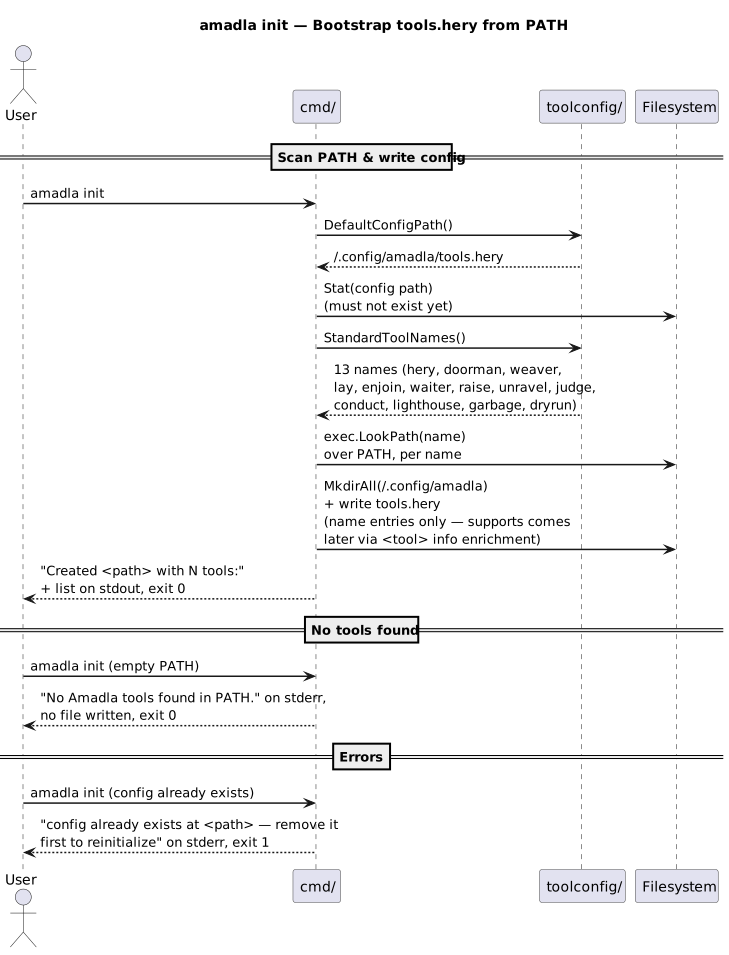
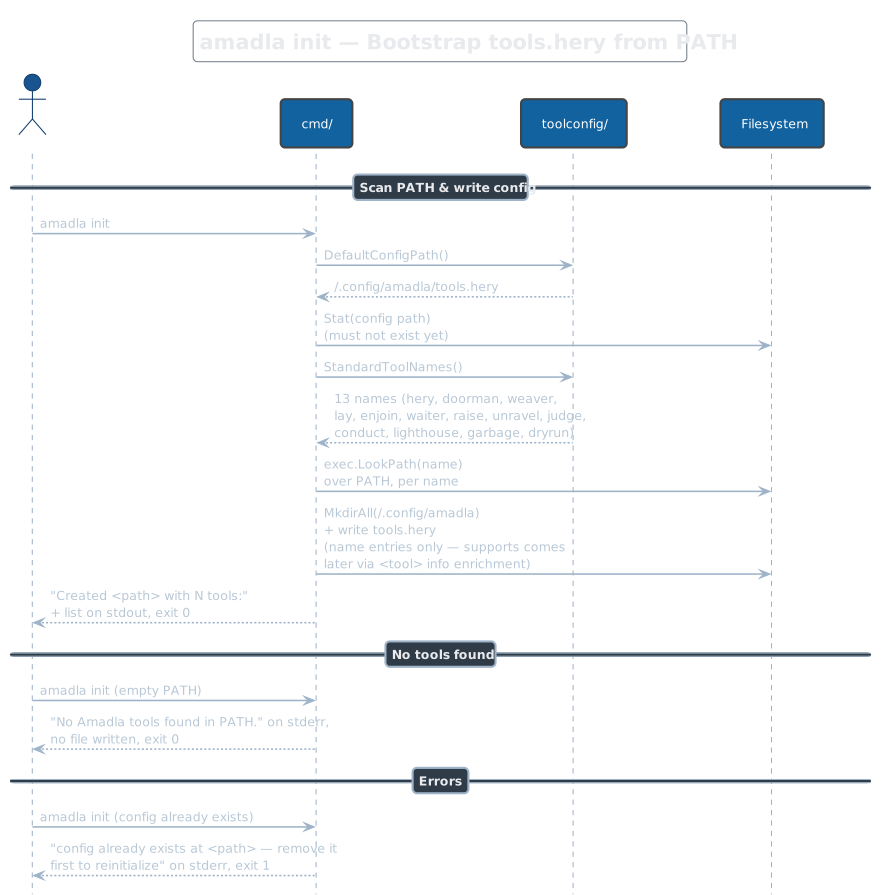
amadla init
Bootstraps ~/.config/amadla/tools.hery by probing PATH for the 13
standard tool names (hery, doorman, weaver, lay, enjoin, waiter, raise,
unravel, judge, conduct, lighthouse, garbage, dryrun) and writing a minimal
config listing only the names found — entity-type routing is filled in
later by <tool> info enrichment. Refuses to overwrite an existing config
(exit 1); finding no tools prints guidance and exits 0 without writing.
Note that init ignores --config and always writes the default path.
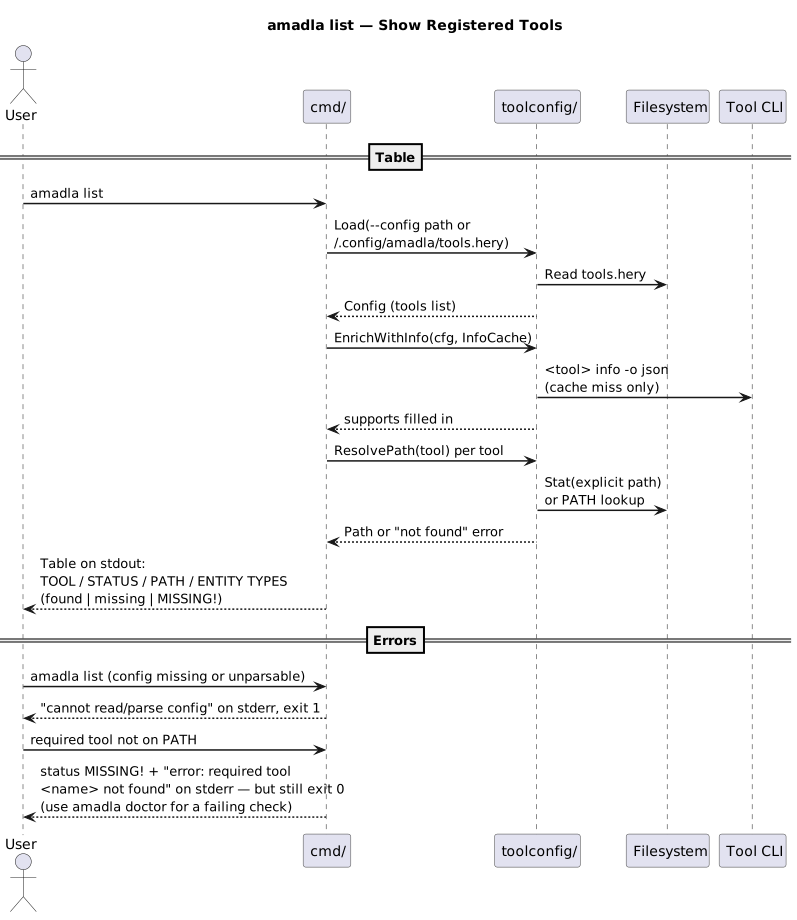
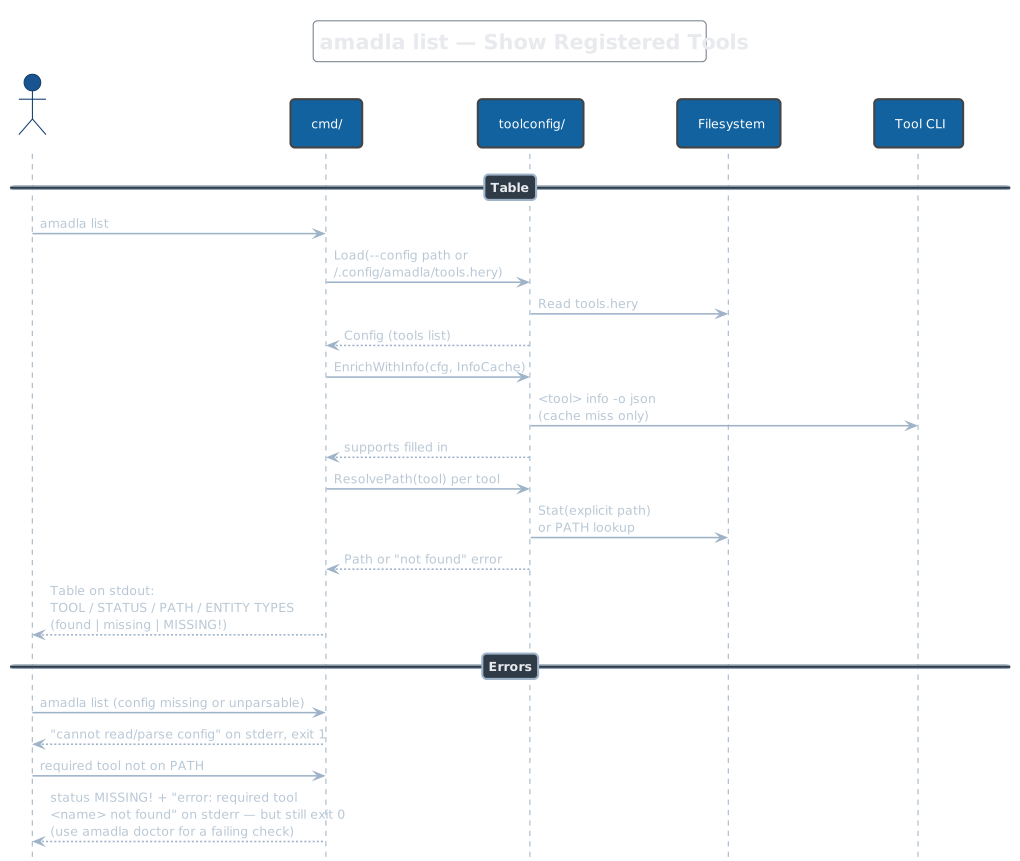
amadla list
Prints a table of every registered tool with its resolution status
(explicit path checked with stat, otherwise PATH lookup), resolved binary
path, and supported entity types after <tool> info enrichment. A missing
required tool is flagged MISSING! with an error line on stderr, but the
command still exits 0 — list is a report, doctor is the failing check.
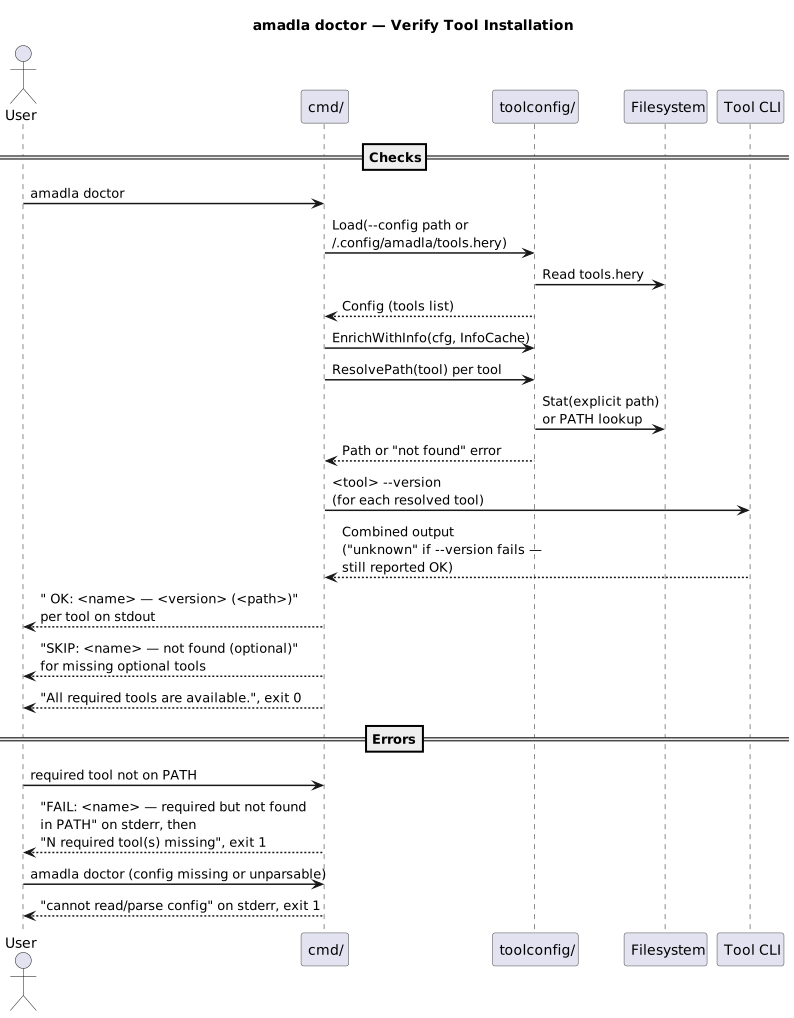
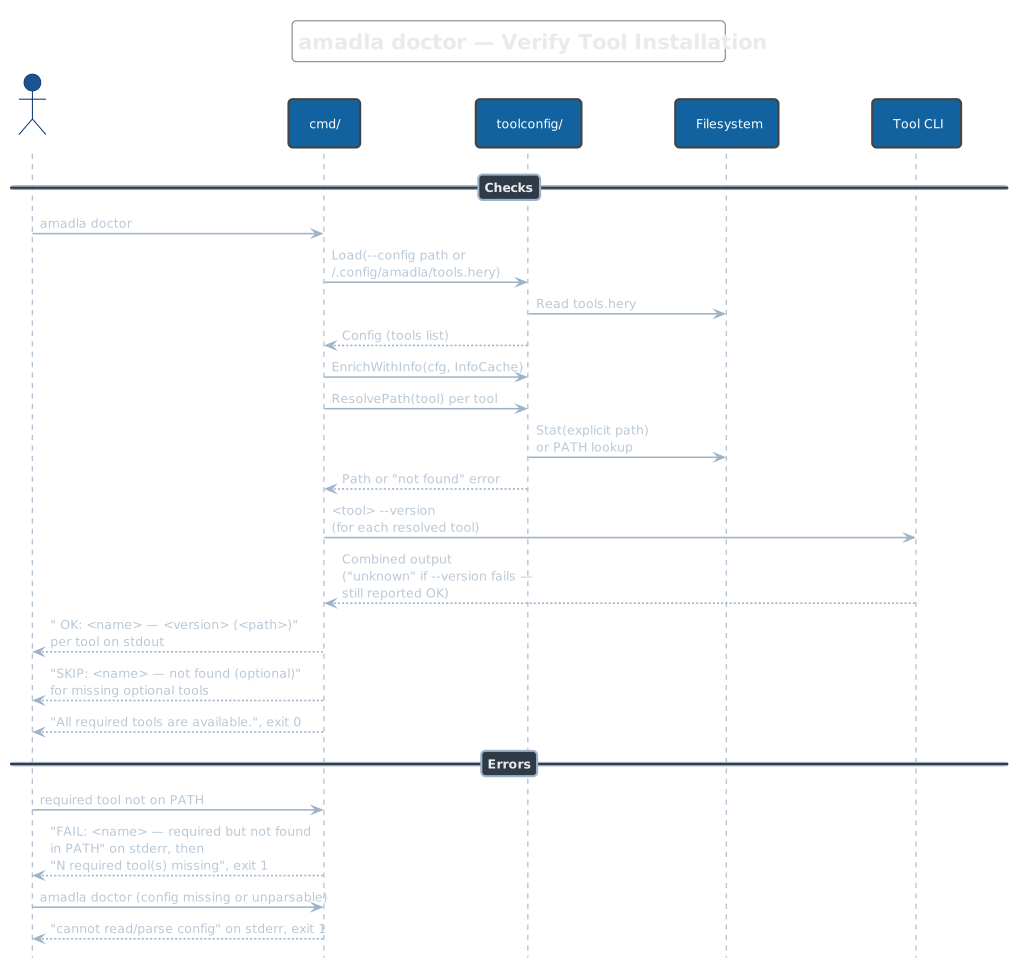
amadla doctor
Health-checks the registered tools: resolves each binary and runs
<tool> --version, printing OK lines with version and path, SKIP for
missing optional tools, and FAIL for missing required ones. Exits 1 with
N required tool(s) missing when any required tool is absent. A resolved
tool whose --version invocation fails is still reported OK with version
unknown — only PATH/stat resolution failures count as issues.