raise Commands
Sequence diagrams for each raise subcommand — the C4 dynamics level of the
raise architecture. raise is a thin dispatcher: the internal
components are just cmd/ (Cobra commands and output formatting), entity/
(provider sniffing from Infrastructure entity data), and plugin/ (PATH
discovery and subprocess execution). Everything else happens in the externals:
the filesystem, stdin (multi-doc YAML piped from hery compose --dir), and
the raise-* plugin subprocesses (raise-libvirt, raise-virtualbox, ...) which
own the actual provisioning and keep per-plugin JSON state under
~/.local/share/raise/<provider>/state.json.
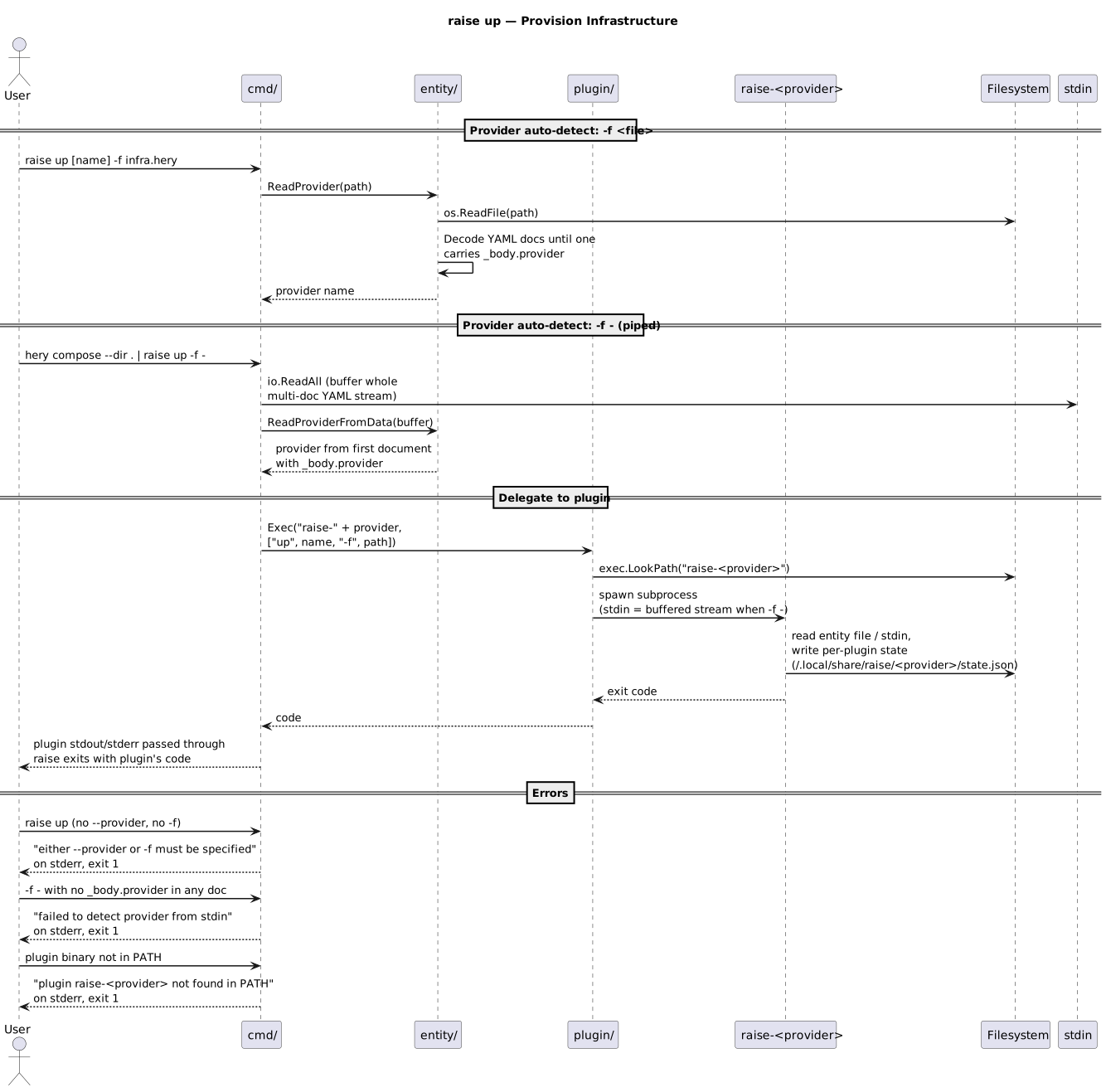
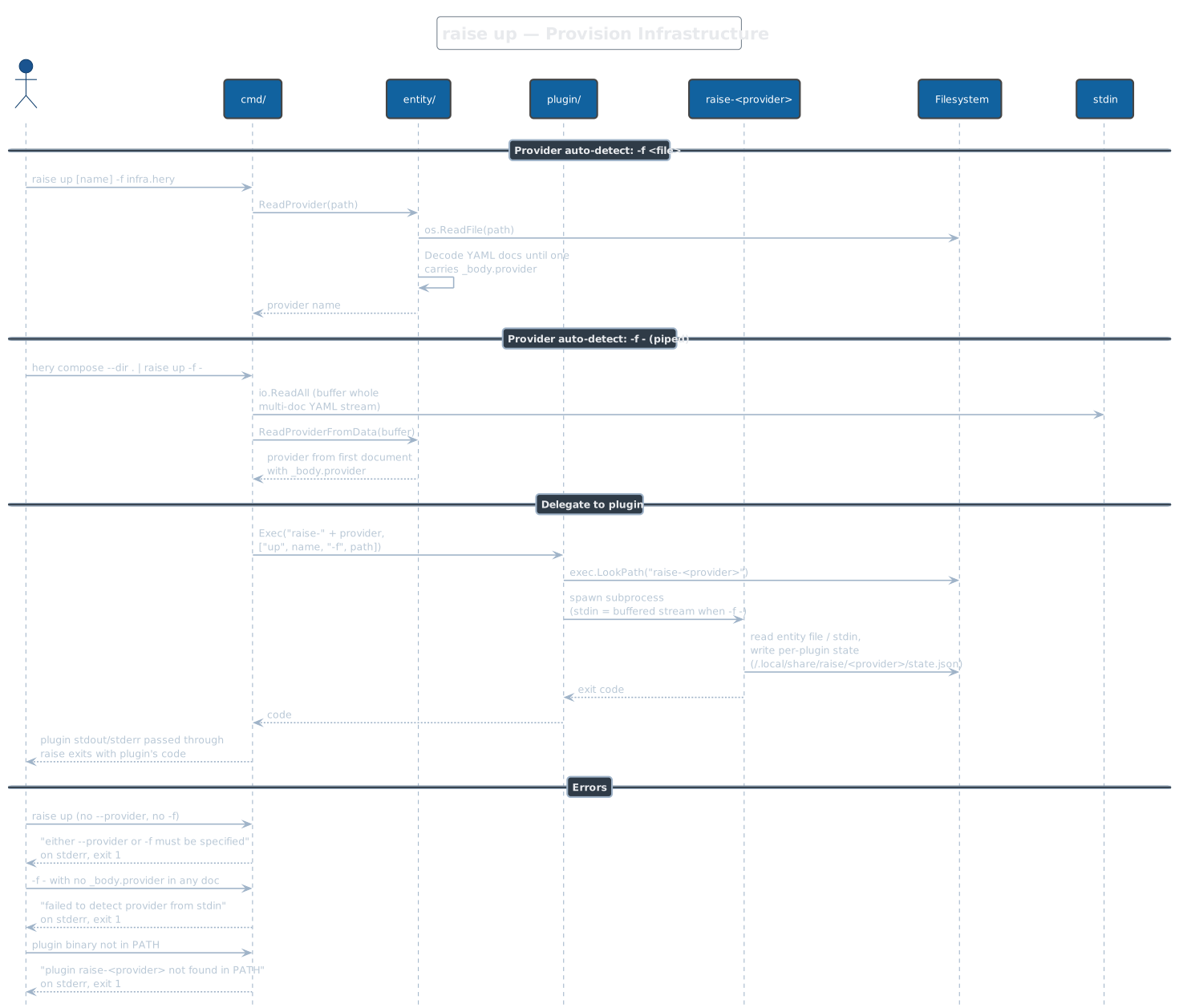
raise up
Provisions infrastructure. --provider is optional: with -f <file> the
provider is sniffed from the first YAML document carrying _body.provider;
with -f - the whole stdin stream (e.g. hery compose --dir . | raise up -f -)
is buffered, sniffed the same way, then re-fed to the plugin so it sees the
full multi-doc stream. raise passes up [name] -f <path> through to
raise-<provider> and exits with the plugin's own exit code. With neither
--provider nor -f, it errors immediately.
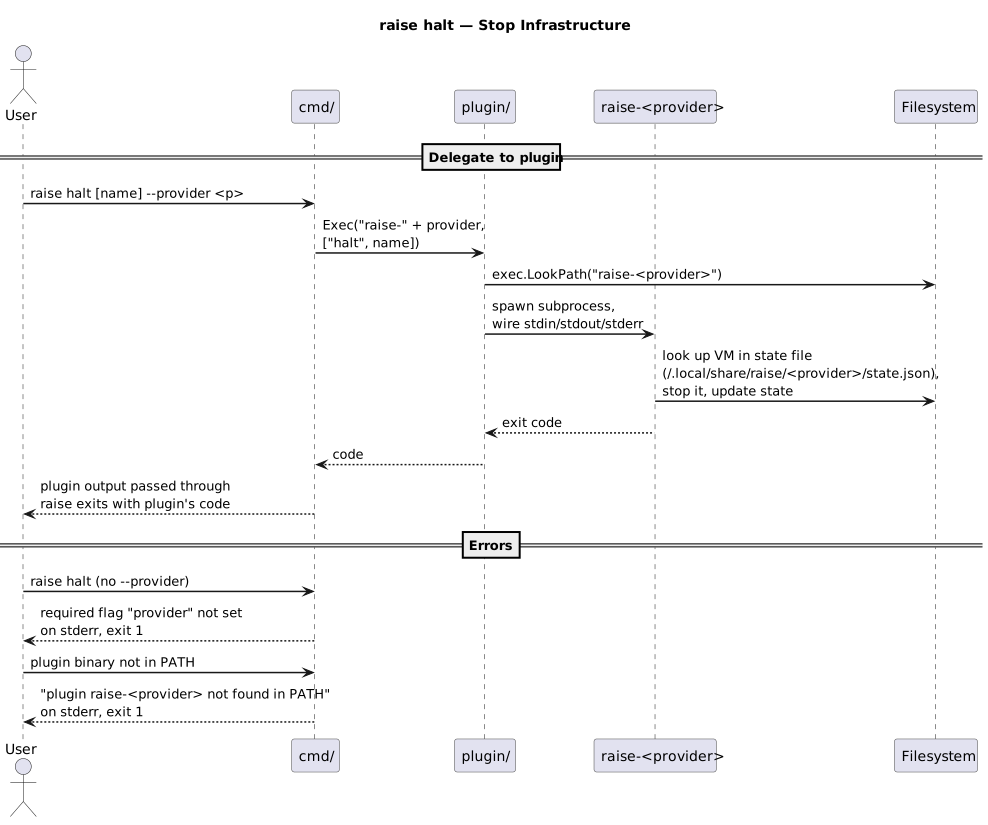
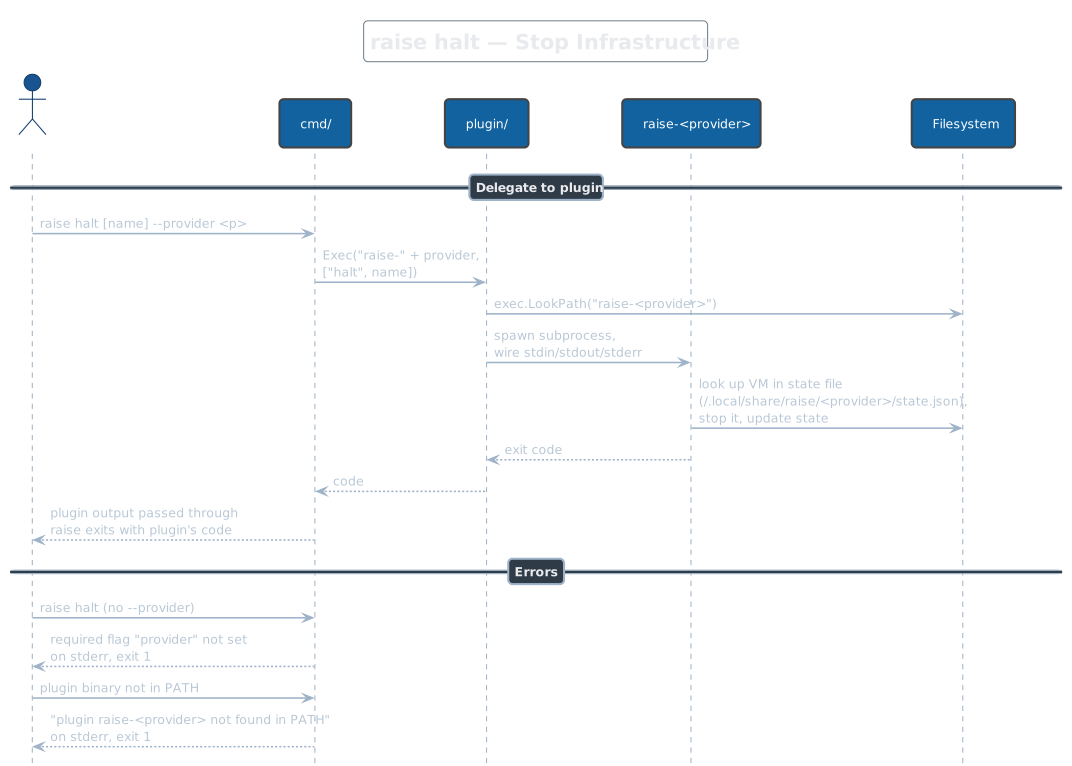
raise halt
Stops infrastructure without destroying it. --provider is required — there
is no state-based lookup in raise core, so it cannot infer which plugin owns
a name. Delegates halt [name] to raise-<provider> with stdio piped
through, and exits with the plugin's exit code.
raise destroy
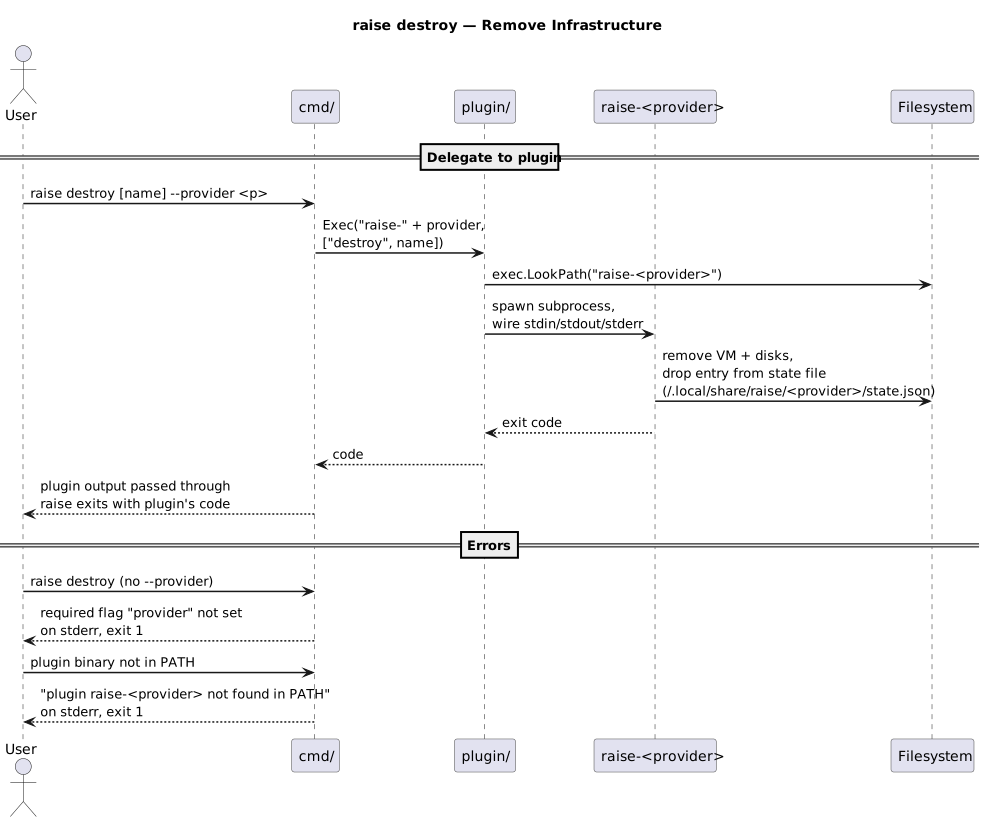
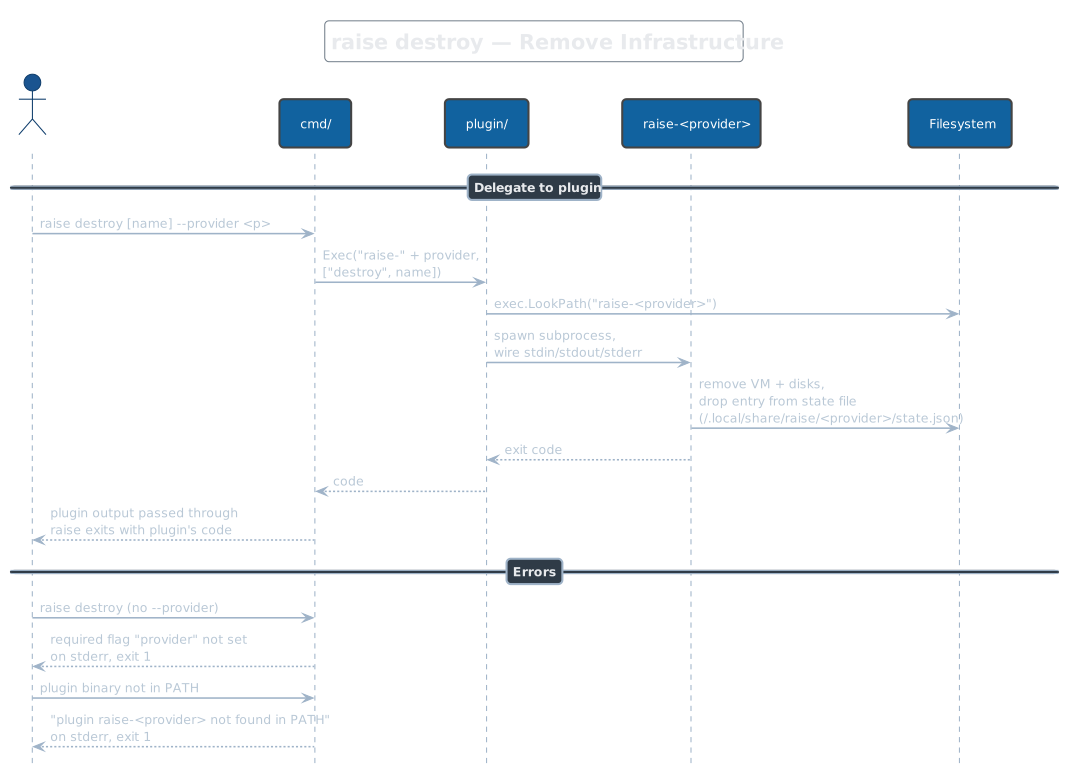
Removes infrastructure entirely. Identical dispatch shape to halt:
--provider required, destroy [name] delegated to raise-<provider>,
plugin exit code propagated. The plugin removes the VM and its disks and
drops the entry from its state file.
raise ssh
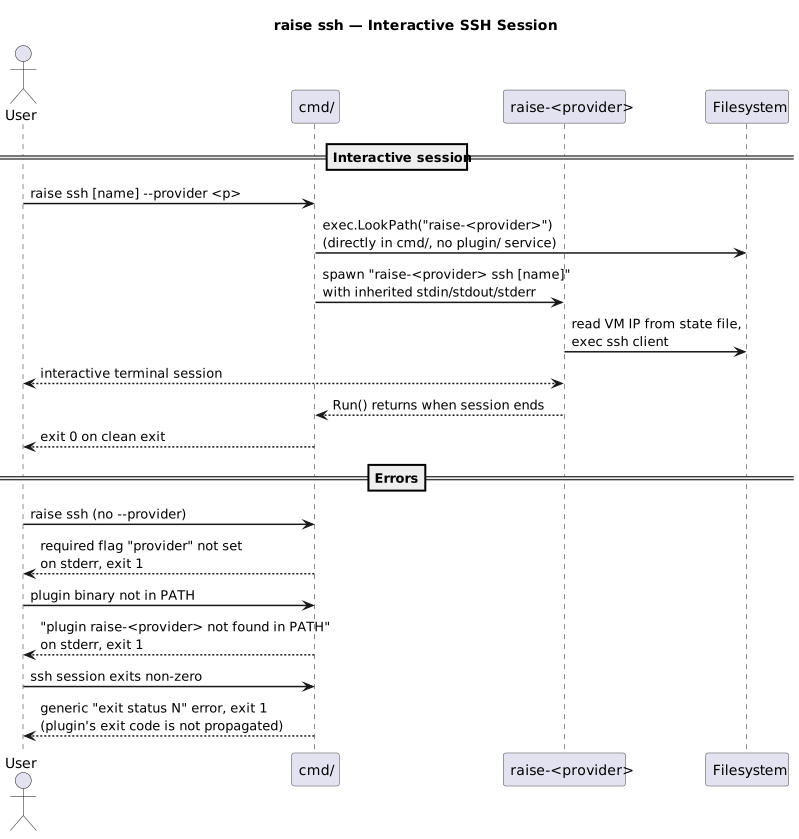
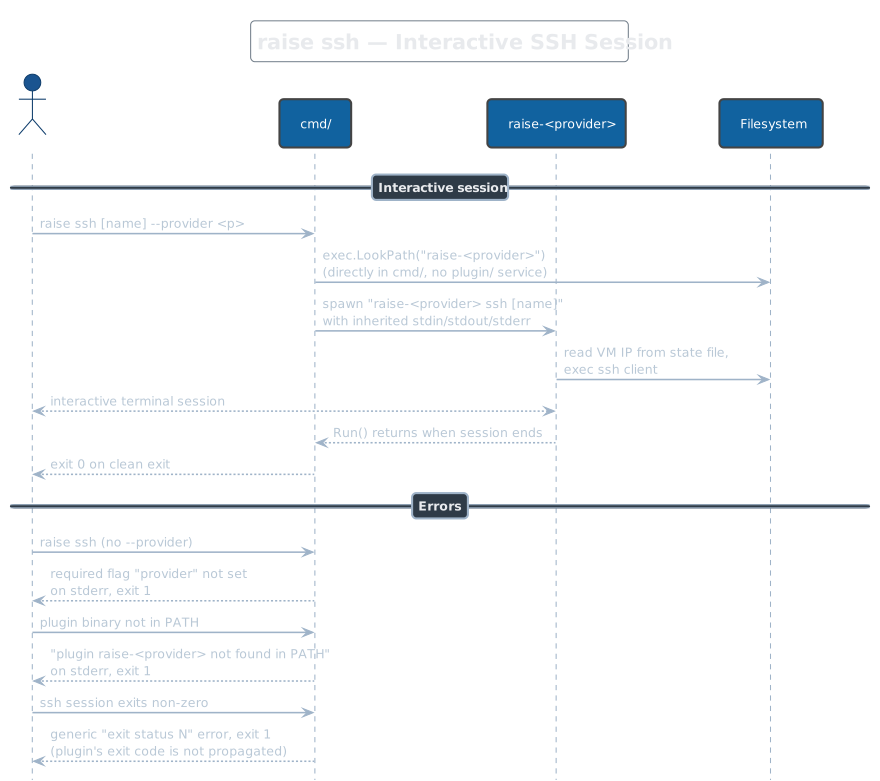
Opens an interactive session by spawning raise-<provider> ssh [name] with
the terminal's stdin/stdout/stderr inherited. Despite the command's help text
("replacing the current process"), the code spawns a child process rather
than exec-replacing raise. Unlike up/halt/destroy, a non-zero ssh exit
is not propagated: raise reports a generic "exit status N" error and exits 1.
raise status
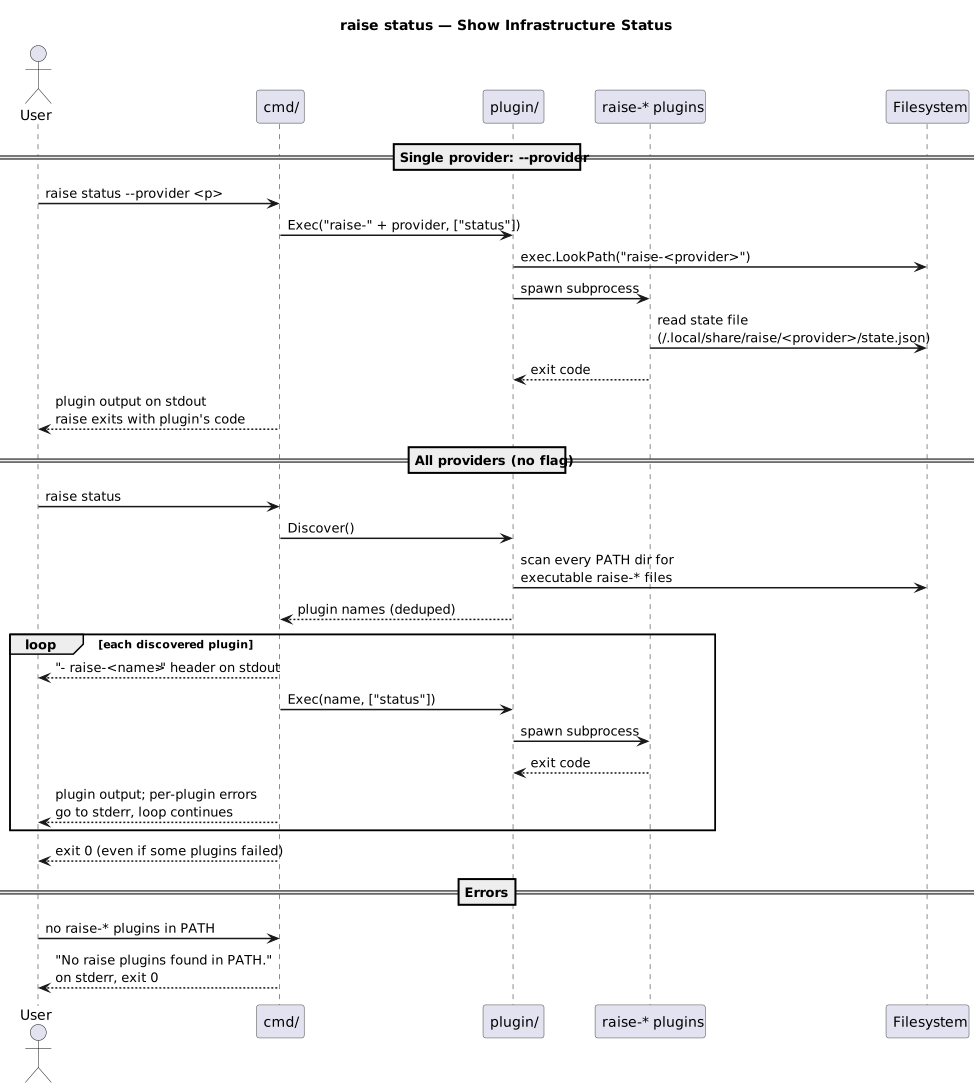
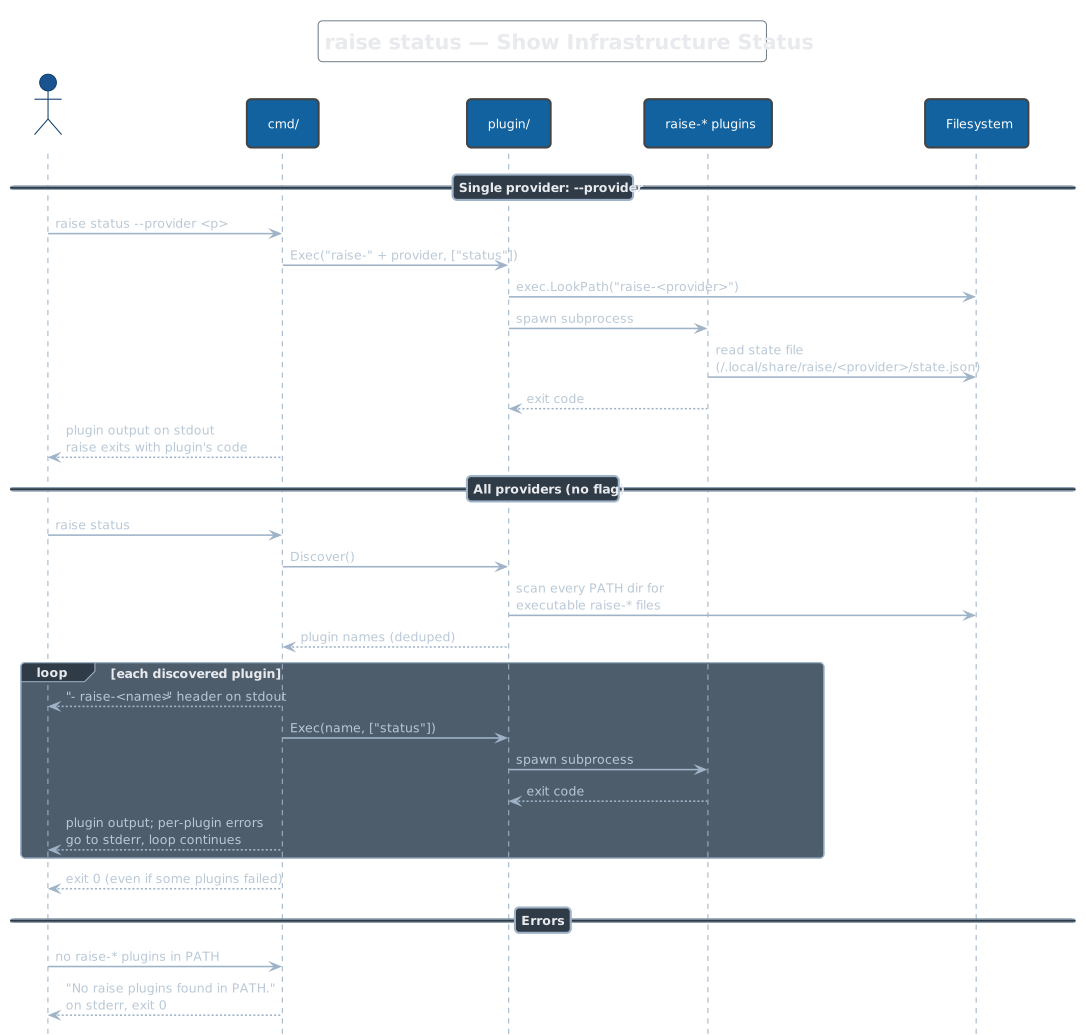
With --provider, runs a single plugin's status and exits with its code.
Without it, discovers every executable raise-* binary on PATH and queries
each in turn, printing a --- raise-<name> --- header before each block.
Per-plugin failures go to stderr but the loop continues and the command
always exits 0 in the all-providers mode — check stderr, not the exit code.
No plugins on PATH is also exit 0.
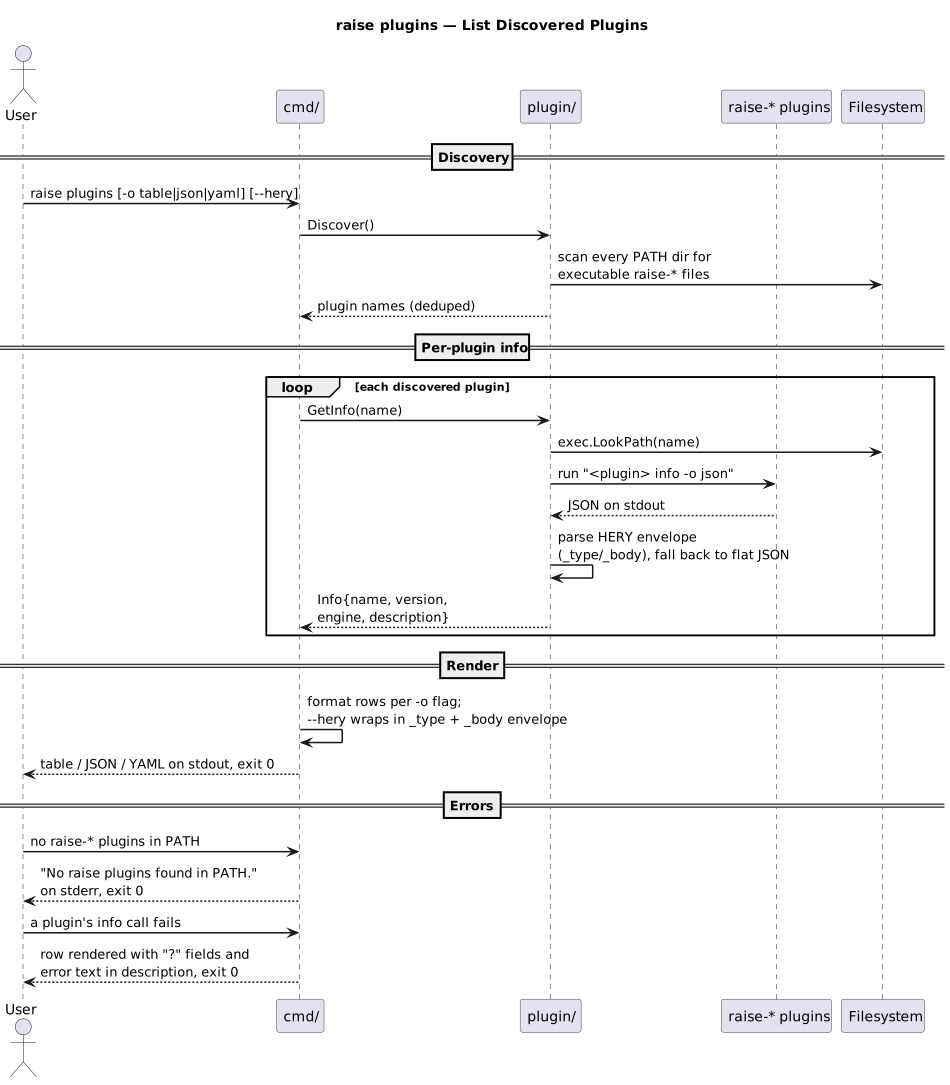
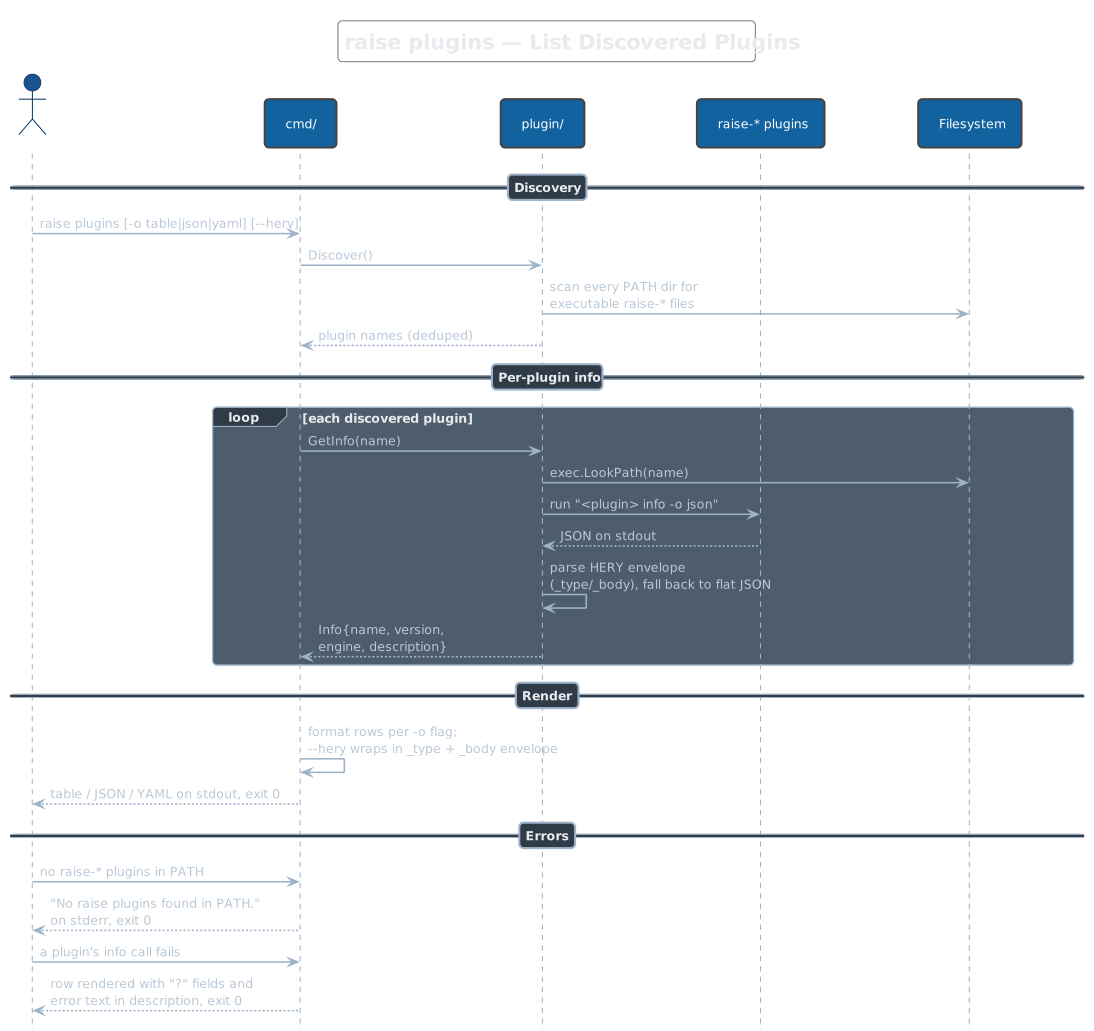
raise plugins
Discovers raise-* binaries on PATH, then calls each one's info -o json
and parses the result — a HERY envelope (_type/_body) is tried first,
flat JSON as fallback. Output is a plugin/engine/version/description table,
or JSON/YAML via -o, optionally HERY-wrapped with --hery. A plugin whose
info call fails still gets a row, with ? fields and the error in the
description column; the command exits 0 regardless.
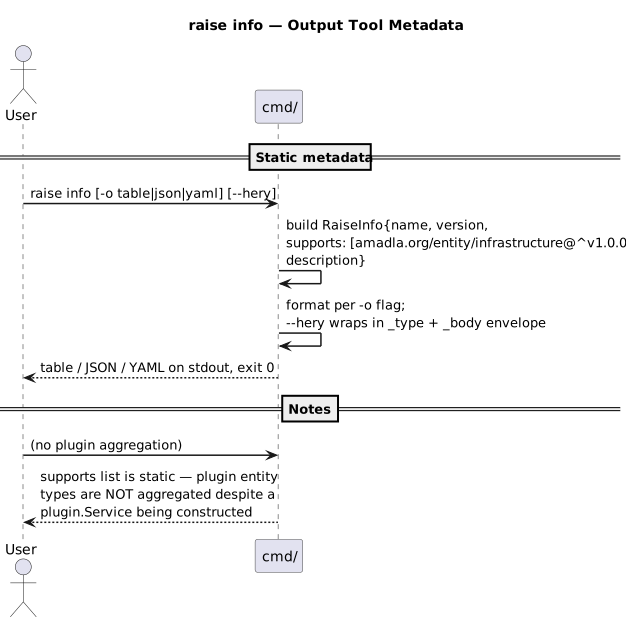
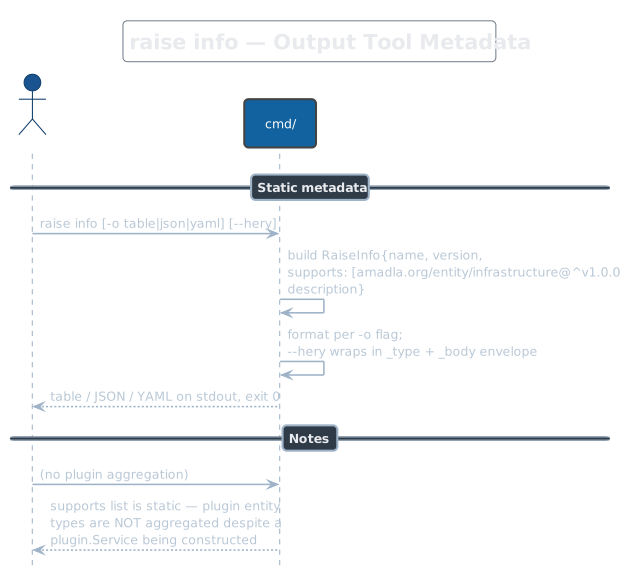
raise info
Prints raise's own metadata (name, version, supported entity types,
description) as a table, JSON, or YAML (-o), optionally in a HERY envelope
(--hery). The supports list is a static constant —
amadla.org/entity/infrastructure@^v1.0.0 only. Contrary to the
architecture page, plugin entity types are
not currently aggregated into this output: a plugin.Service is constructed
but never used by the output path.