weaver Commands
Sequence diagrams for each weaver subcommand — the C4 dynamics level of
the weaver architecture. Participants are weaver's internal
packages: cmd/ (Cobra commands), weave/ (built-in Go text/template
engine), and plugin/ (PATH discovery and subprocess delegation) — plus
the externals they talk to: the filesystem, stdin, and weaver-* plugin
subprocesses (e.g. weaver-jinja2). The fs/, template/, hery/, and
entity/ packages exist in the repo but are dead code — no command calls
them. weaver version simply prints the version string and is not
diagrammed.
weaver weave
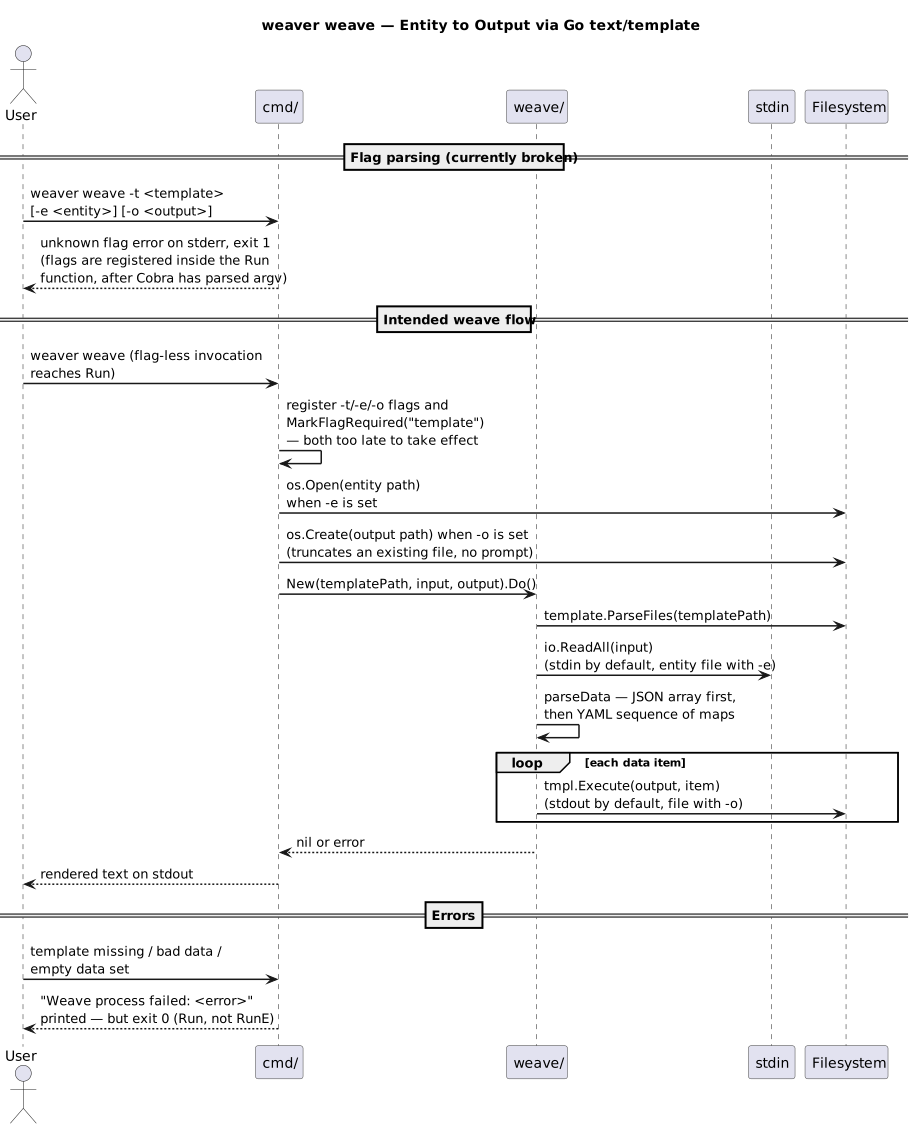
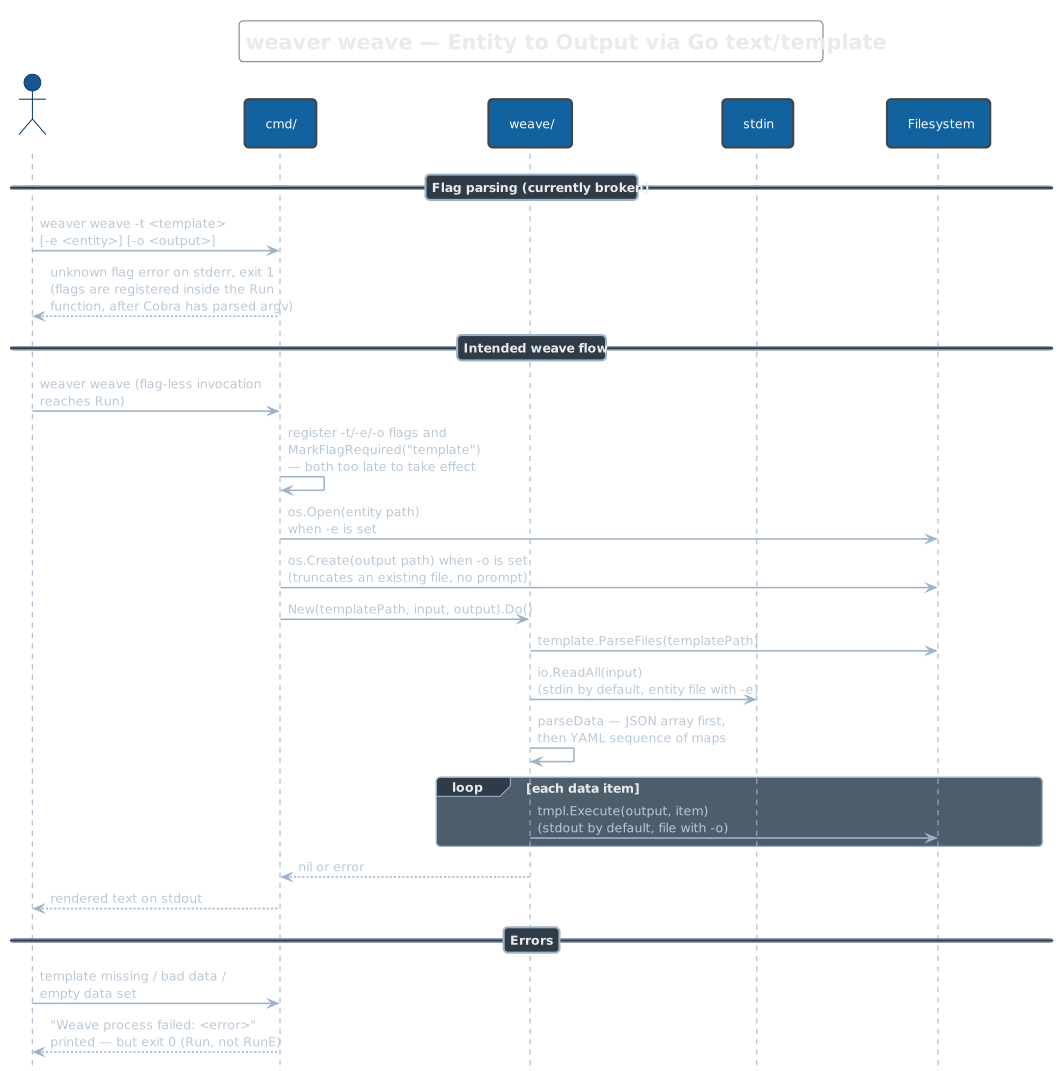
Renders a template with Go's text/template against entity data — stdin
by default, or a file via -e; output to stdout or a file via -o
(existing files are truncated without the overwrite prompt the code
comments promise). Input must parse as a JSON array or YAML sequence of
maps; a single map document is rejected. As written the command is
broken: its flags are registered inside the Run function, after Cobra has
already parsed argv, so any -t/-e/-o flag is rejected as unknown
and the --template required-flag check never takes effect. Failures in
the weave itself are printed but still exit 0 (Run, not RunE).
weaver render
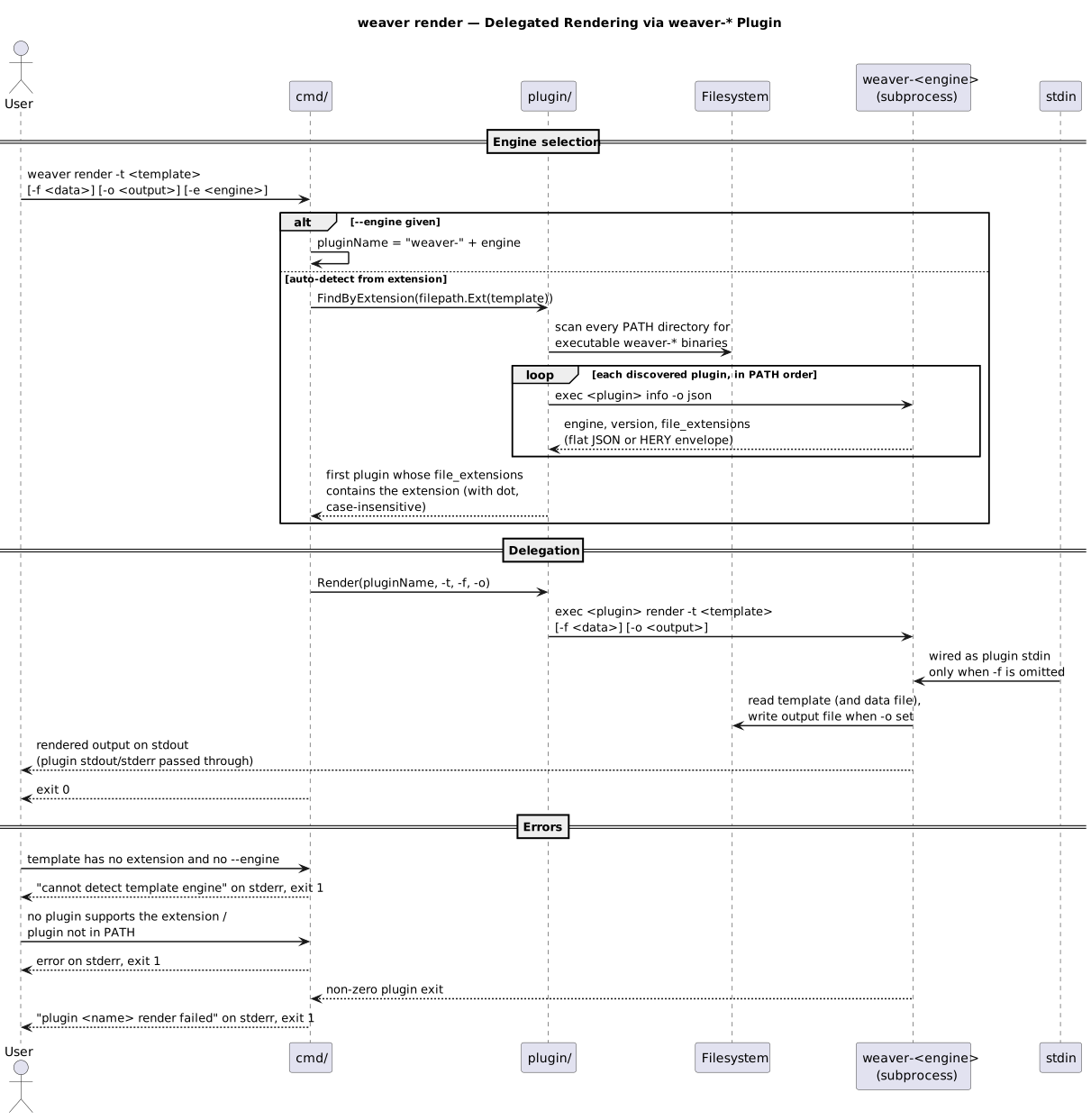
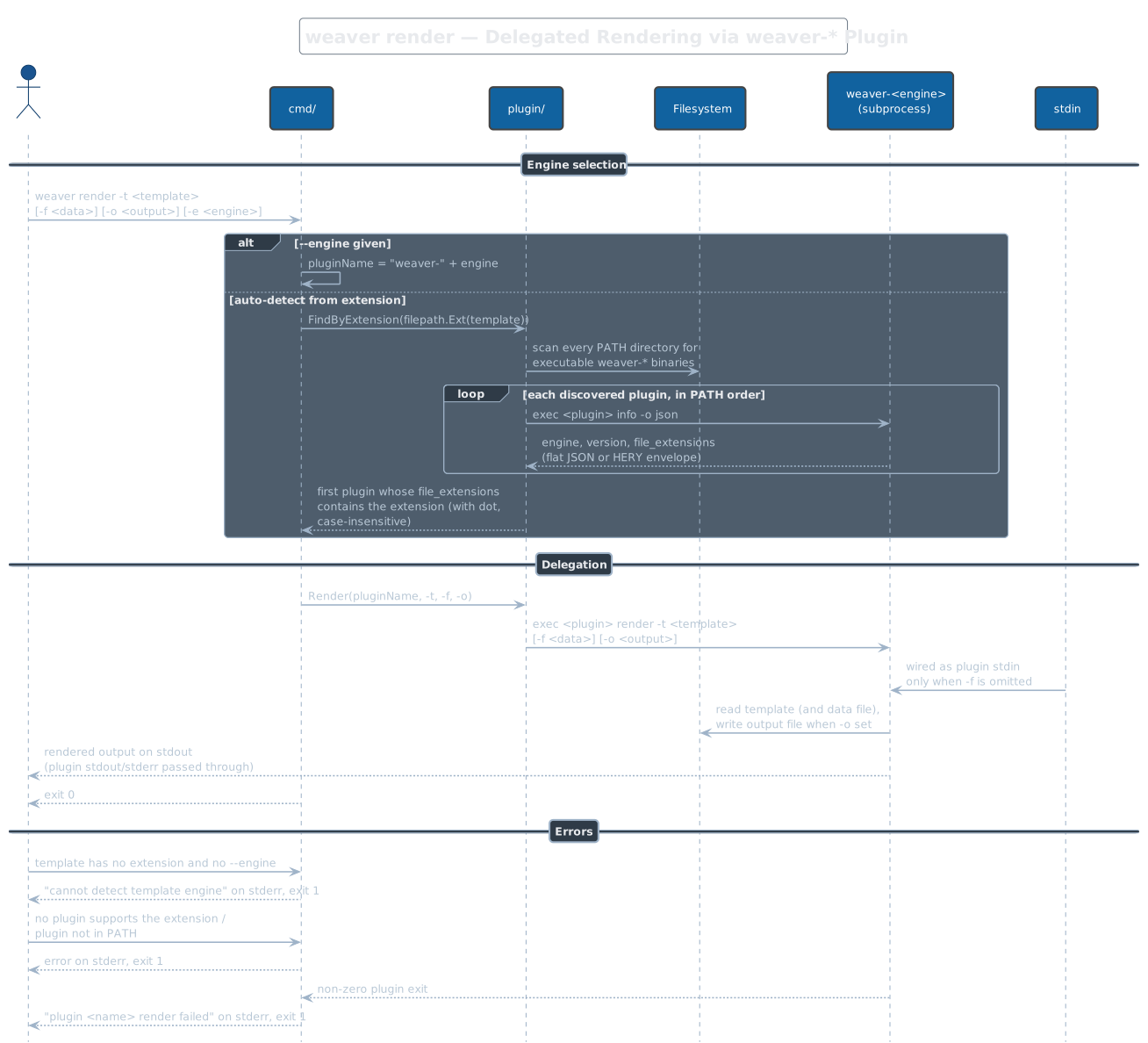
Delegates rendering to a weaver-* plugin. The engine comes from
--engine (-e, giving plugin weaver-<engine>) or is auto-detected by
matching the template file's extension against each discovered plugin's
info -o json output — first match in PATH order wins, extensions
compared case-insensitively including the dot. The plugin is then run as
<plugin> render -t <template> [-f <data>] [-o <output>] with its
stdout/stderr passed through; weaver's stdin is wired to the plugin only
when -f is omitted. weaver itself never opens the template or data
file. Missing extension, no matching plugin, or a non-zero plugin exit
all error on stderr with exit 1.
weaver plugins
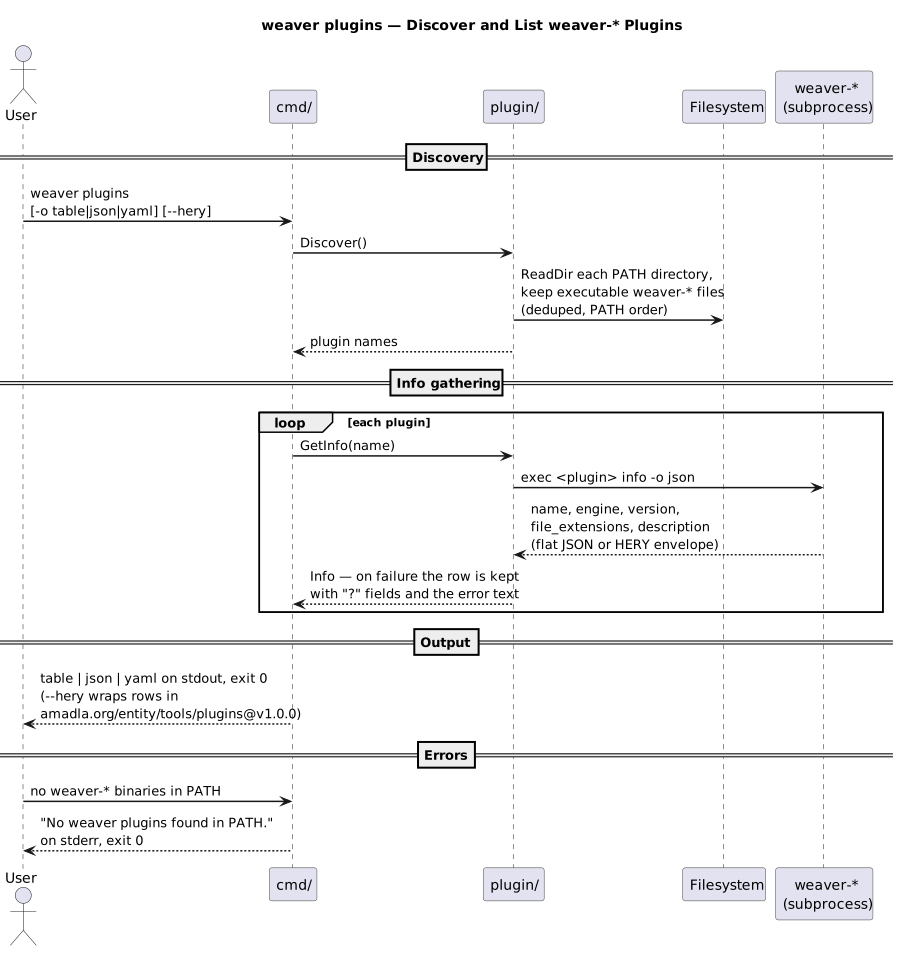
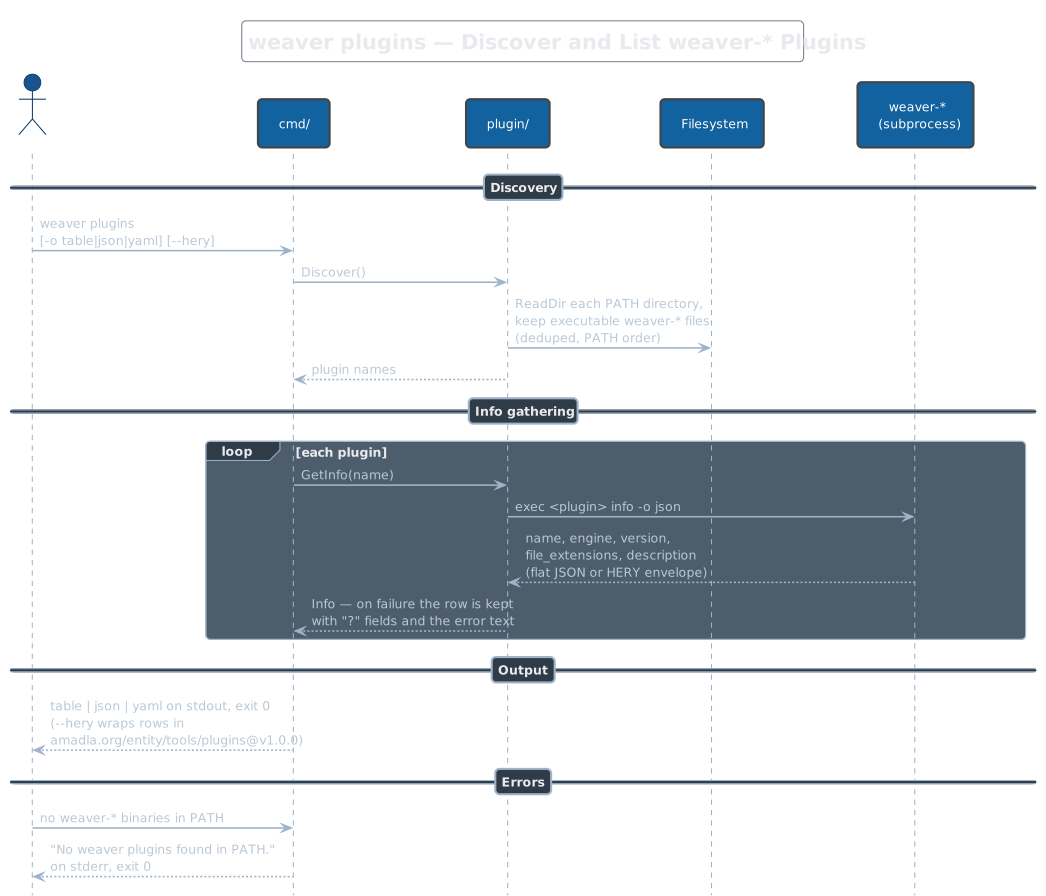
Scans every PATH directory for executable weaver-* binaries and runs
<plugin> info -o json on each (accepting flat JSON or a HERY
envelope). Prints a table by default, or JSON/YAML via -o; --hery
wraps the rows in an amadla.org/entity/tools/plugins@v1.0.0 envelope.
A plugin whose info call fails still gets a row, with ? fields and
the error in the description. No plugins found prints a notice on stderr
and exits 0 — an empty list is not an error. Note -o here selects the
output format, while on weave/render it is an output path.
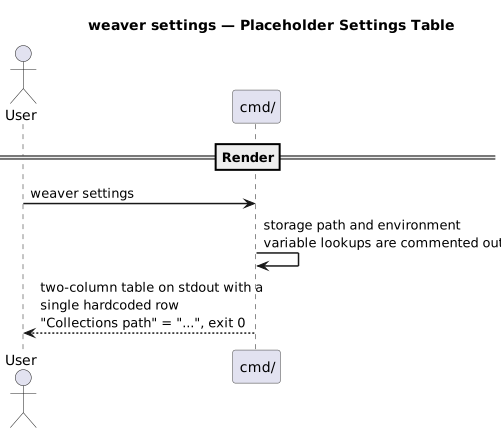
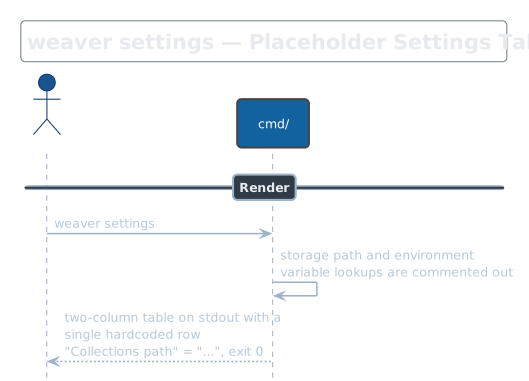
weaver settings
A placeholder. The storage-path and environment-variable listing logic is
commented out; the command prints a two-column table containing a single
hardcoded row (Collections path = ...) and exits 0.