waiter Commands
Sequence diagrams for each waiter subcommand — the C4 dynamics level of the
waiter architecture. Participants are waiter's internal packages:
cmd/ (Cobra commands), strategy/ (blue-green, canary, rolling, restart),
plugin/ (PATH discovery and subprocess execution), state/ (per-service
JSON state files in ~/.local/share/waiter/), and health/ (status polling)
— plus the externals they talk to: engine plugin subprocesses
(waiter-podman, waiter-docker, waiter-quadlet, waiter-systemd), proxy
plugin subprocesses (waiter-proxy-haproxy, waiter-proxy-kamal), the
filesystem, and stdin.
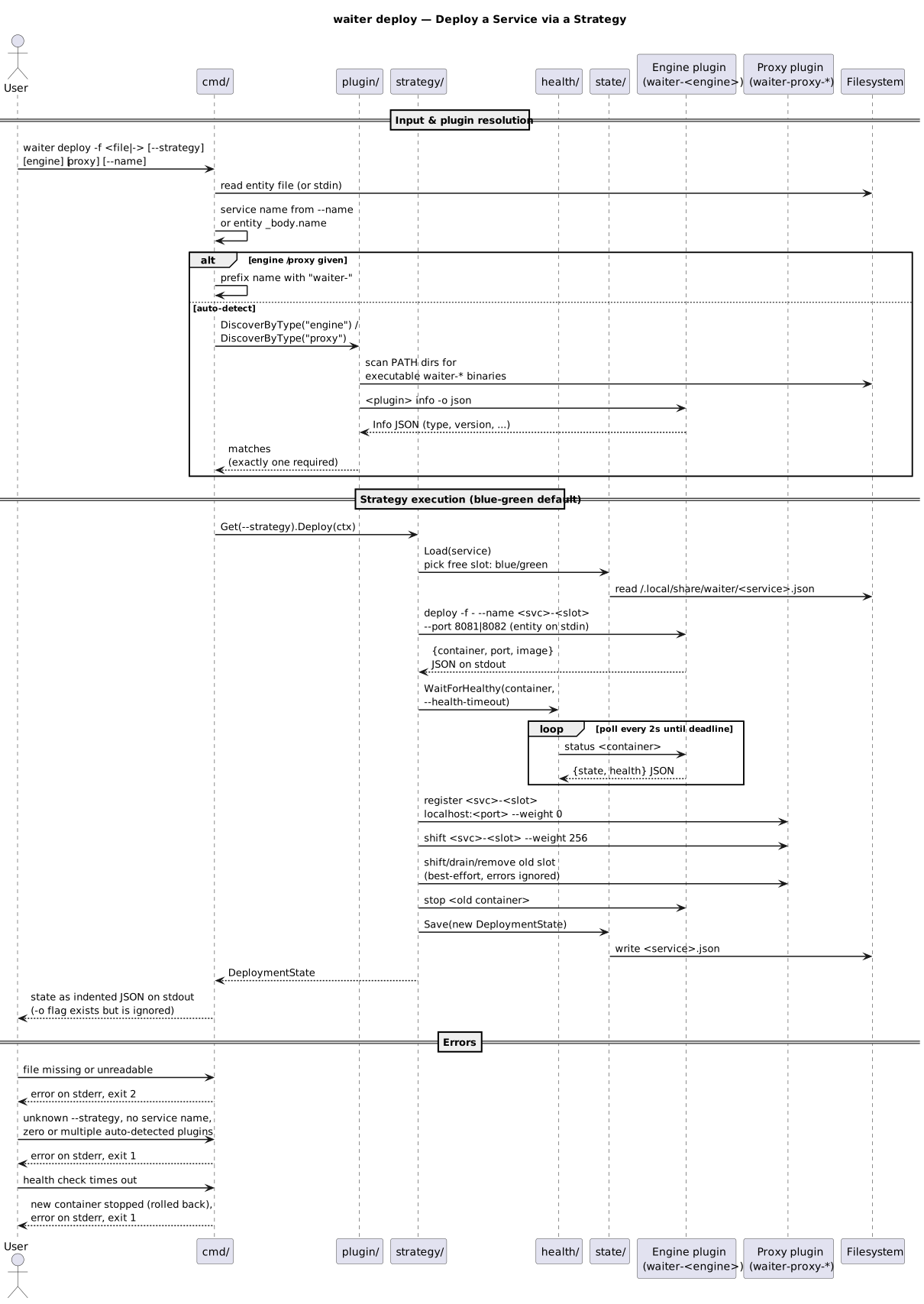
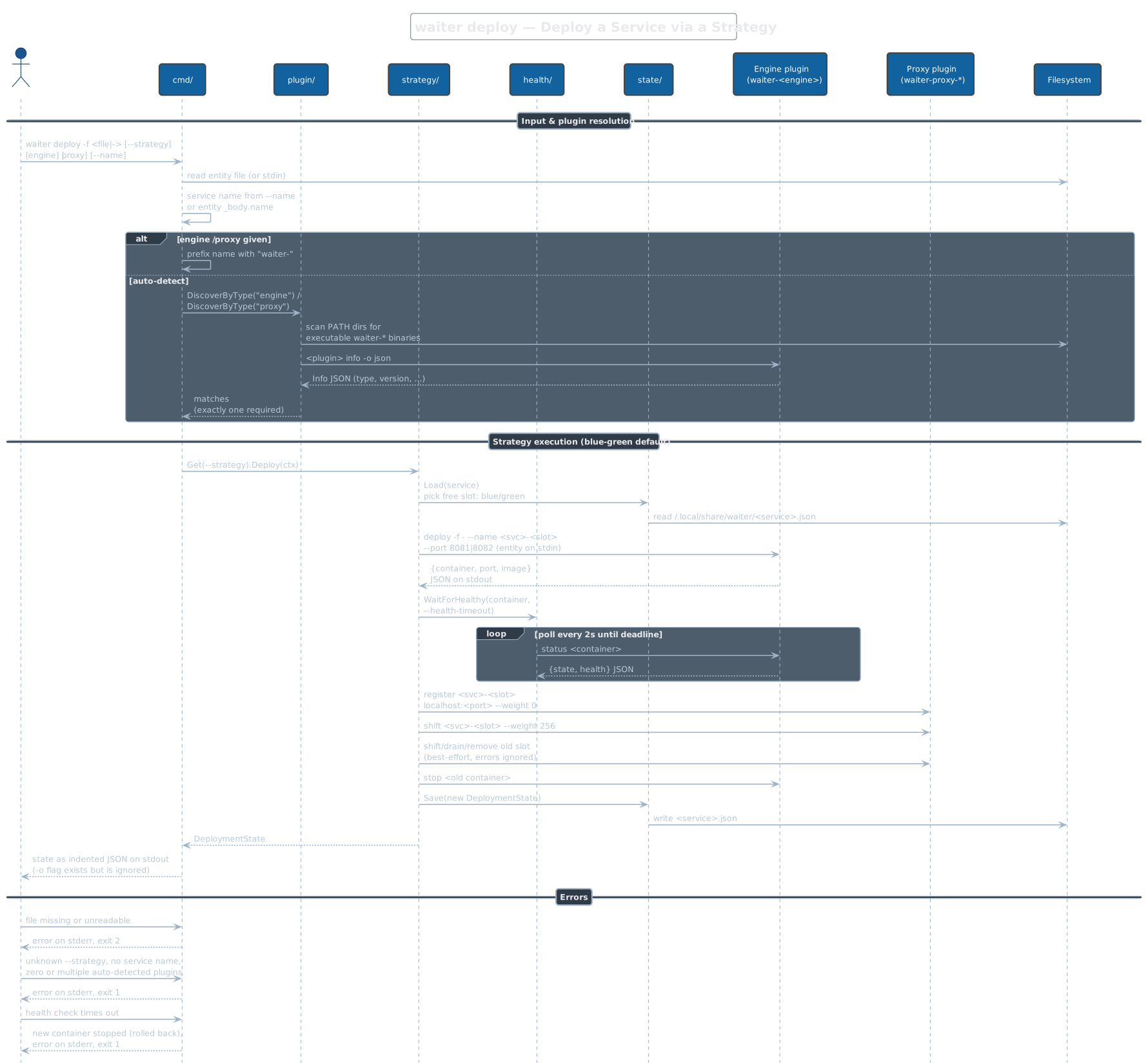
waiter deploy
Deploys a service from a container entity (-f file or - for stdin,
required) using --strategy blue-green (default), canary, rolling, or
restart. Engine and proxy plugins are named via --engine/--proxy
(auto-prefixed waiter-) or auto-detected from PATH — auto-detection fails
if zero or more than one plugin of that type is installed. Slots use fixed
ports: blue 8081, green 8082, canary 8083. Unreadable input exits 2; all
other failures exit 1. A failed health check stops the new container and
leaves the old one serving. The -o/--output flag is accepted but ignored —
the result is always indented JSON (a known gap). Rolling is currently
single-instance and behaves like blue-green except the new slot registers
directly at full weight; restart stops the old container before deploying,
so a failed restart deployment leaves the service down.
waiter promote
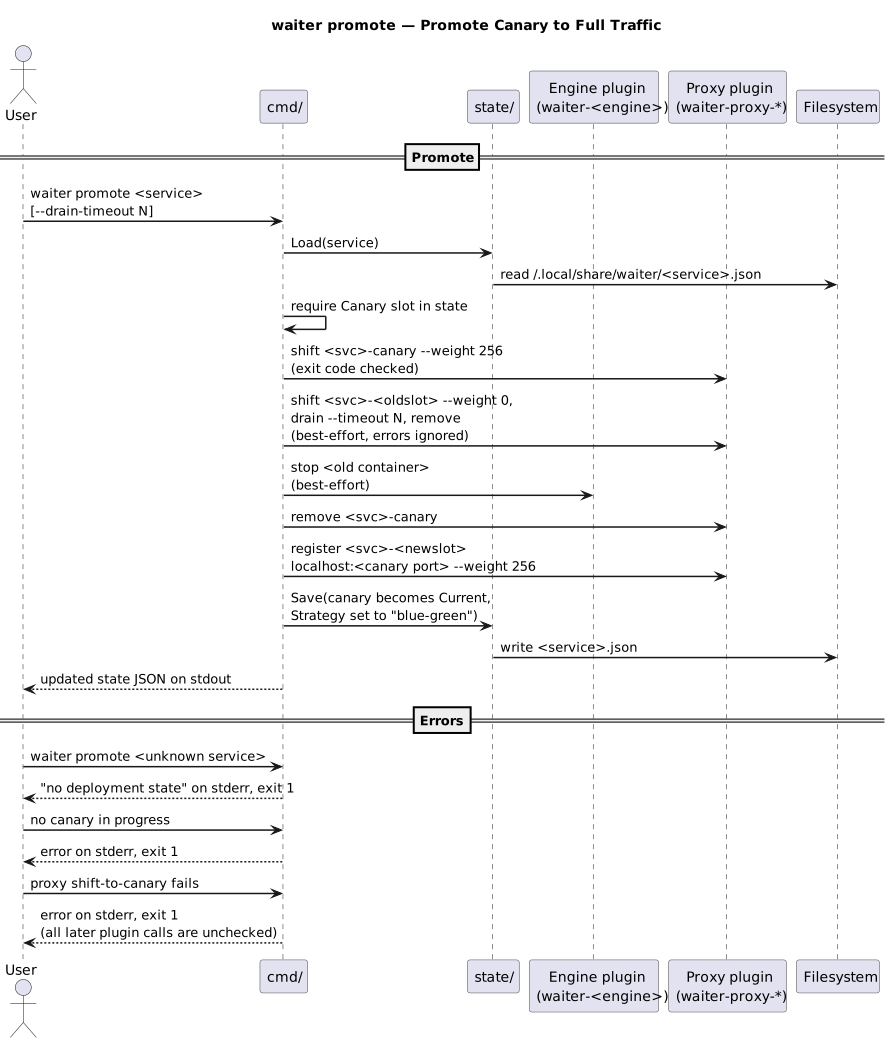
Promotes an in-progress canary to full traffic: shifts the canary to weight
256, drains and removes the old slot (--drain-timeout, default 30s), stops
the old container, and re-registers the canary under the free blue/green
slot name. Only the initial shift-to-canary is error-checked — every later
plugin call is best-effort. The saved state's strategy is overwritten to
blue-green regardless of how the service was originally deployed. Exits 1
if the service has no state or no canary in progress.
waiter abort
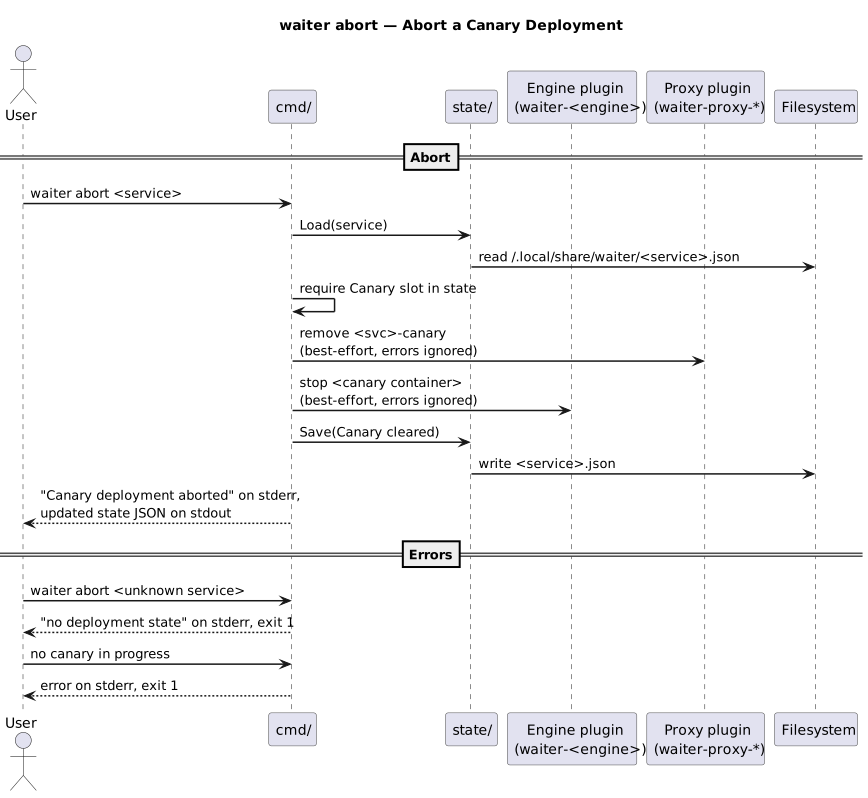
Cancels an in-progress canary: removes <service>-canary from the proxy,
stops the canary container (both best-effort — plugin failures are ignored),
and clears the canary slot from the state file. Prints a confirmation on
stderr and the updated state as JSON on stdout. Exits 1 if the service has
no state or no canary in progress.
waiter rollback
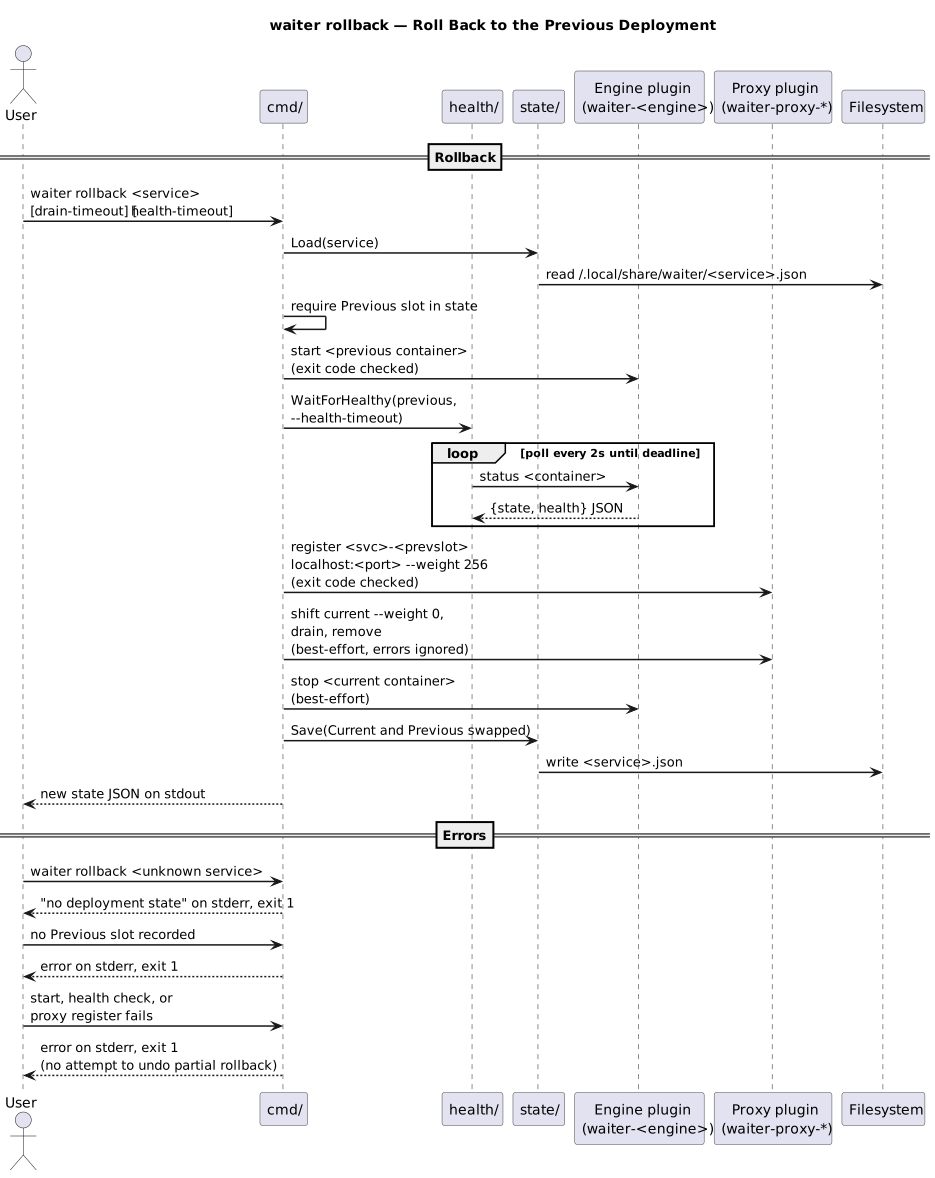
Restores the previous deployment slot: starts the previous container, waits
for it to become healthy (--health-timeout, default 60s), registers it
with the proxy at full weight, then drains and stops the current slot
(--drain-timeout, default 30s) and swaps Current/Previous in the state
file. Start, health check, and proxy register are error-checked and exit 1
on failure — with no attempt to undo a partial rollback; the teardown of the
old current slot is best-effort. Requires a recorded Previous slot.
waiter status
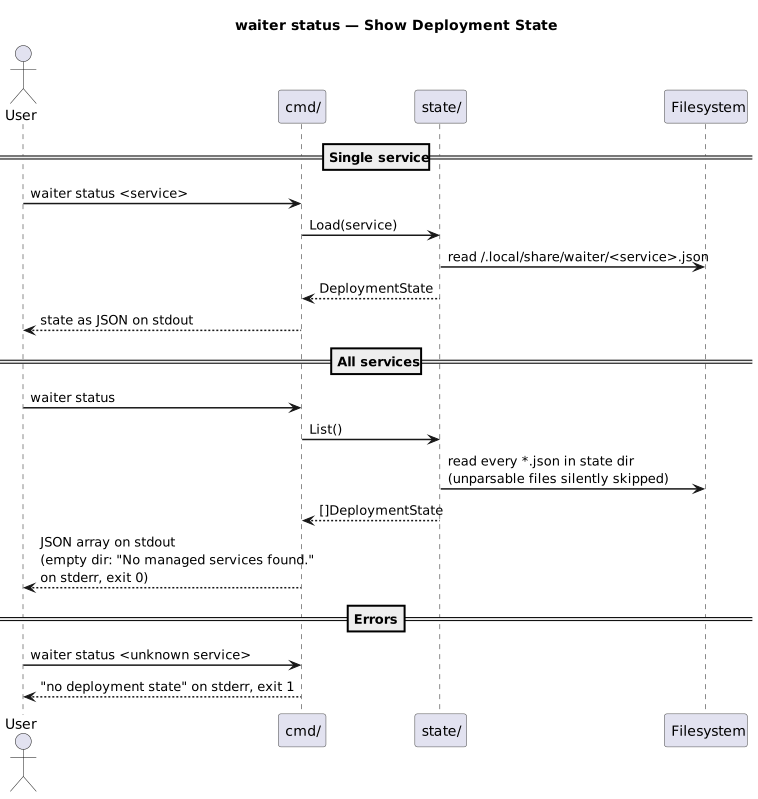
Reads deployment state only — no plugins are invoked, so it reports what
waiter last recorded, not live container status (use reconcile for that).
With a service argument it prints that service's state as JSON; without, it
lists every *.json in the state directory (unparsable files are silently
skipped). An empty state directory prints "No managed services found." on
stderr and exits 0; an unknown named service exits 1.
waiter reconcile
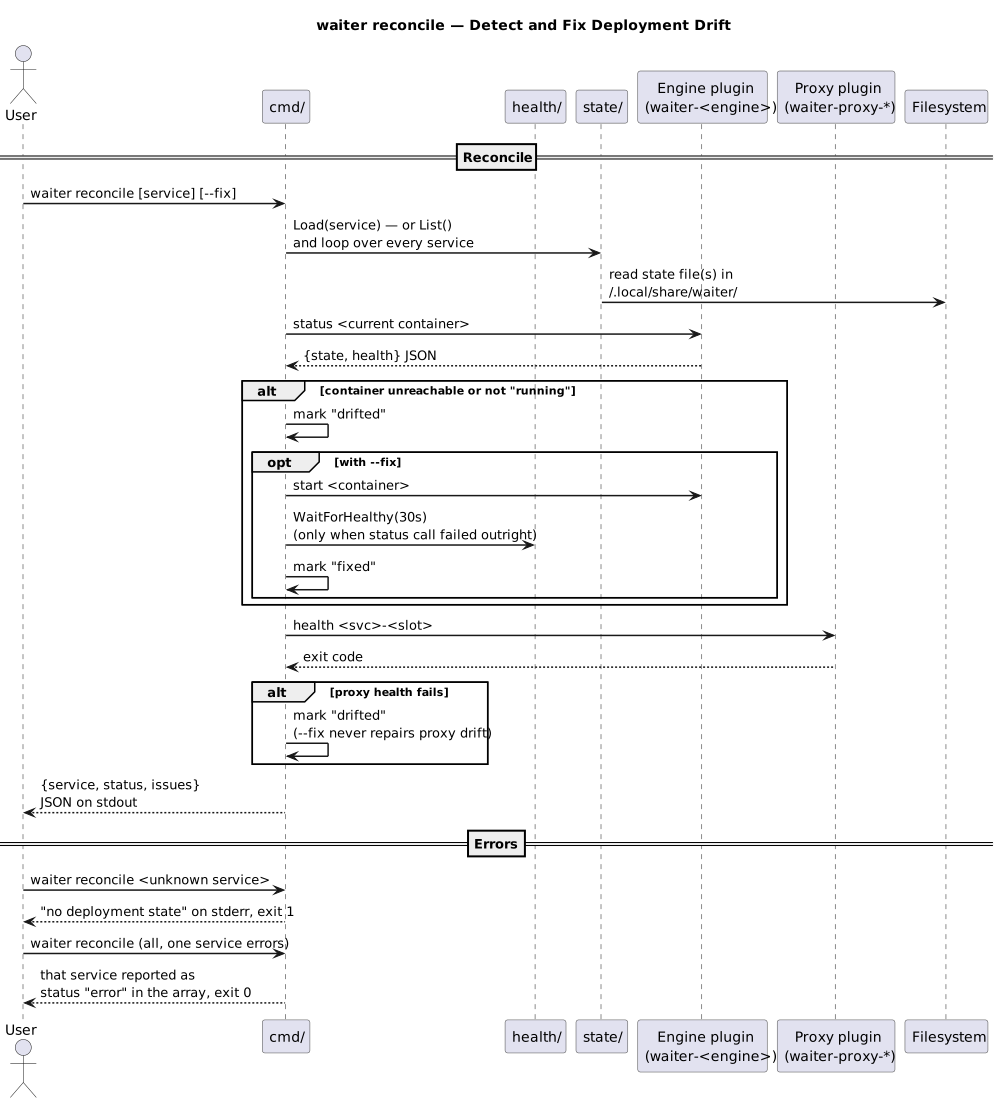
Compares recorded state against reality: asks the engine plugin for the
current container's status and the proxy plugin for backend health, and
reports ok, drifted, or fixed per service — or error when a
service's plugin calls fail (one service, or all when run bare). --fix
only repairs container drift by starting the container —
proxy drift is reported but never fixed, and in the "container exists but
not running" branch the status is marked fixed without re-verifying
health. In all-services mode a failing service becomes a status: "error"
entry in the JSON array and the command still exits 0.
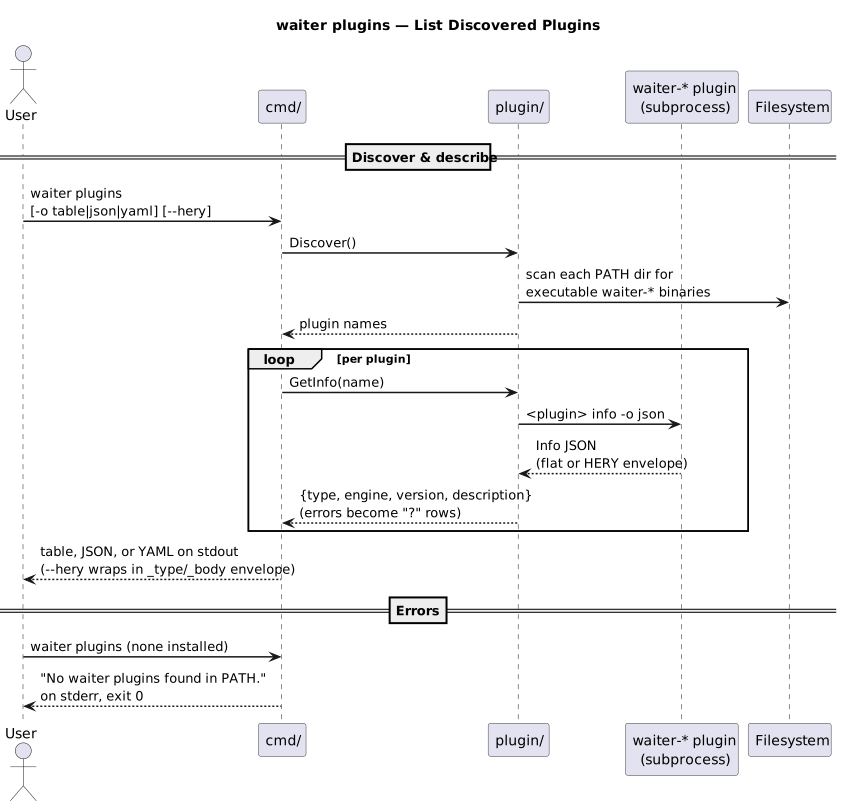
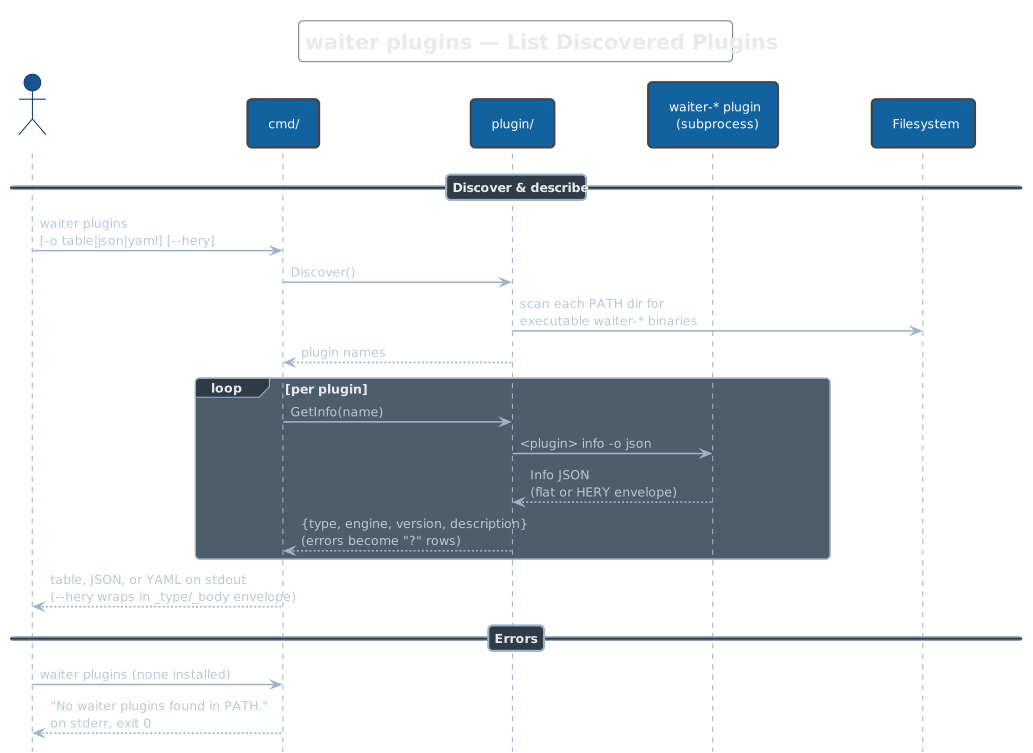
waiter plugins
Scans every PATH directory for executable waiter-* binaries, then runs
<plugin> info -o json on each to collect type (engine or proxy), engine,
version, and description — accepting both flat JSON and HERY-enveloped
responses. Output is a table by default, or JSON/YAML via -o, optionally
wrapped in a HERY envelope with --hery; a plugin whose info call fails
still appears, with ? fields. No plugins installed prints a notice on
stderr and exits 0.