judge Commands
Sequence diagrams for each judge subcommand — the C4 dynamics level of the
judge architecture. judge is deliberately thin: the participants
are just cmd/ (Cobra commands) and plugin/ (PATH discovery and subprocess
execution), plus the externals they talk to — the filesystem (PATH scanning
and binary lookup), the judge-* plugin subprocesses, and stdin/stdout.
Note that the shipped CLI currently exposes only run and plugins; the
judge audit and judge settings commands described on the architecture
page, along with the generic diff engine and entity-type routing, are not
yet implemented in code.
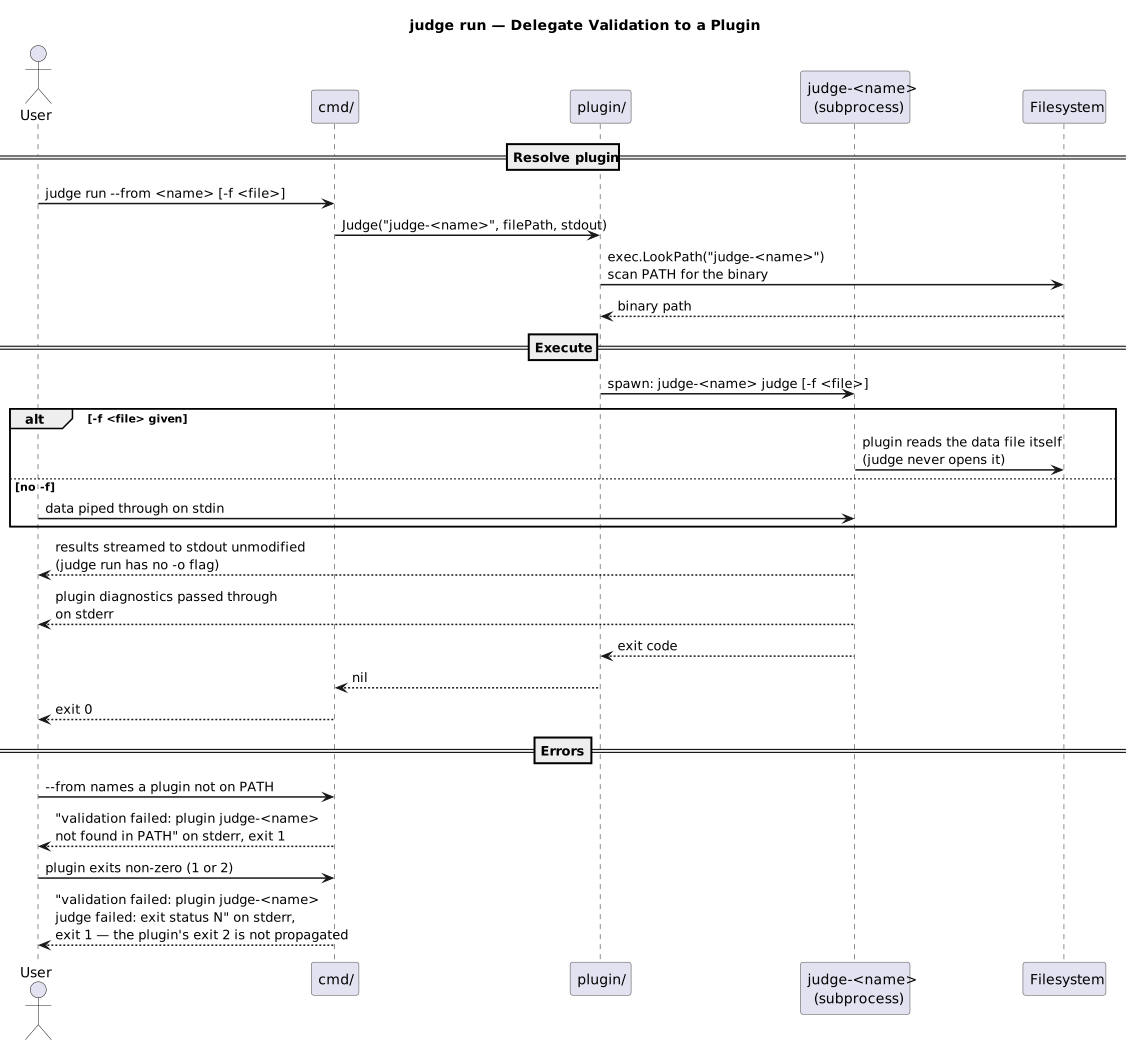
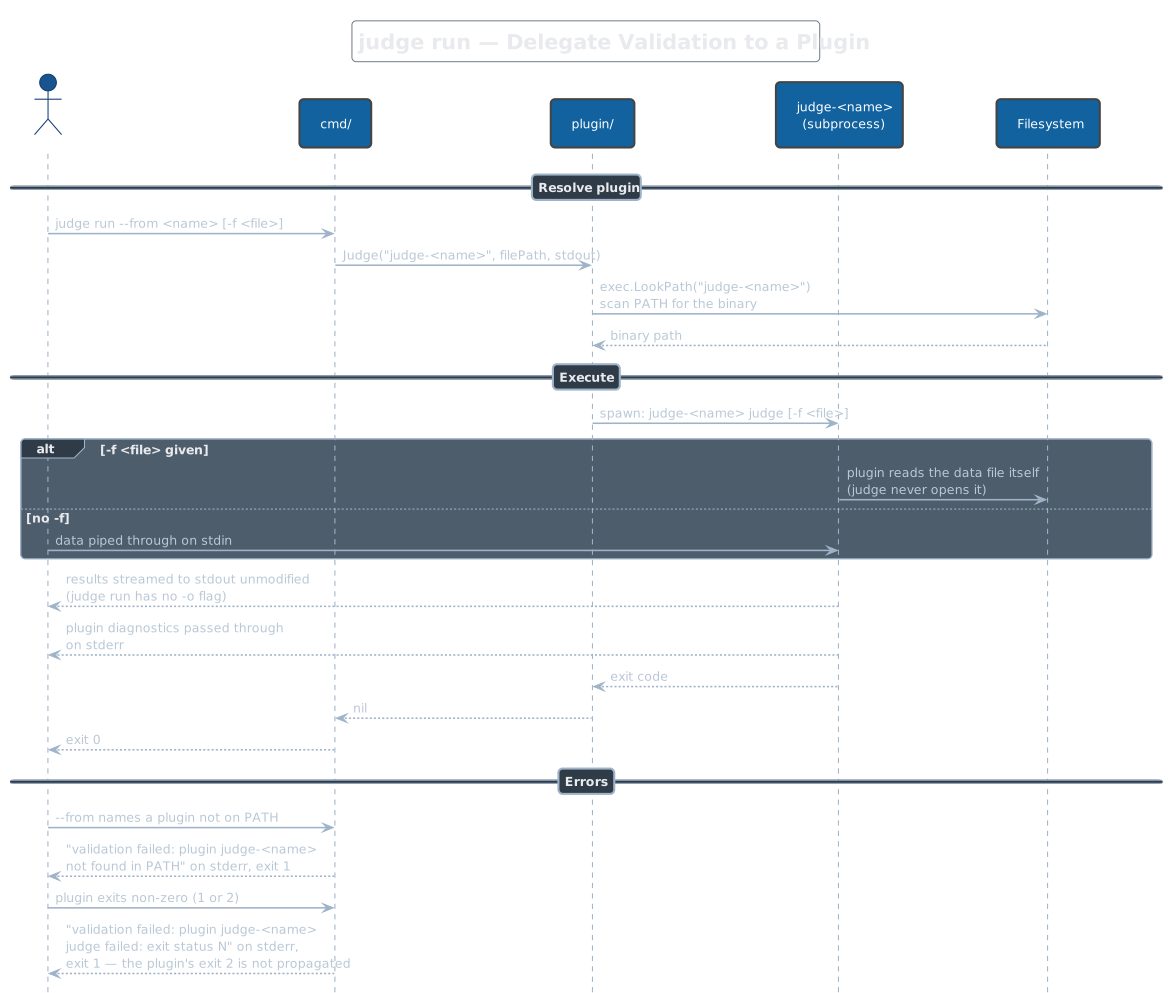
judge run
Delegates validation to a single, explicitly named plugin: --from network
resolves judge-network on PATH and spawns judge-network judge, passing
-f <file> through untouched or wiring judge's stdin to the plugin when
-f is omitted. judge never opens the data file and never reformats the
result — plugin stdout and stderr stream straight through, so there is no
-o flag here. Any plugin failure (not found, or any non-zero exit,
including the protocol's exit 2 usage error) is wrapped as
validation failed: ... on stderr with exit 1 — plugin exit codes are not
propagated. There is no routing by entity type: one --from, one plugin,
per invocation.
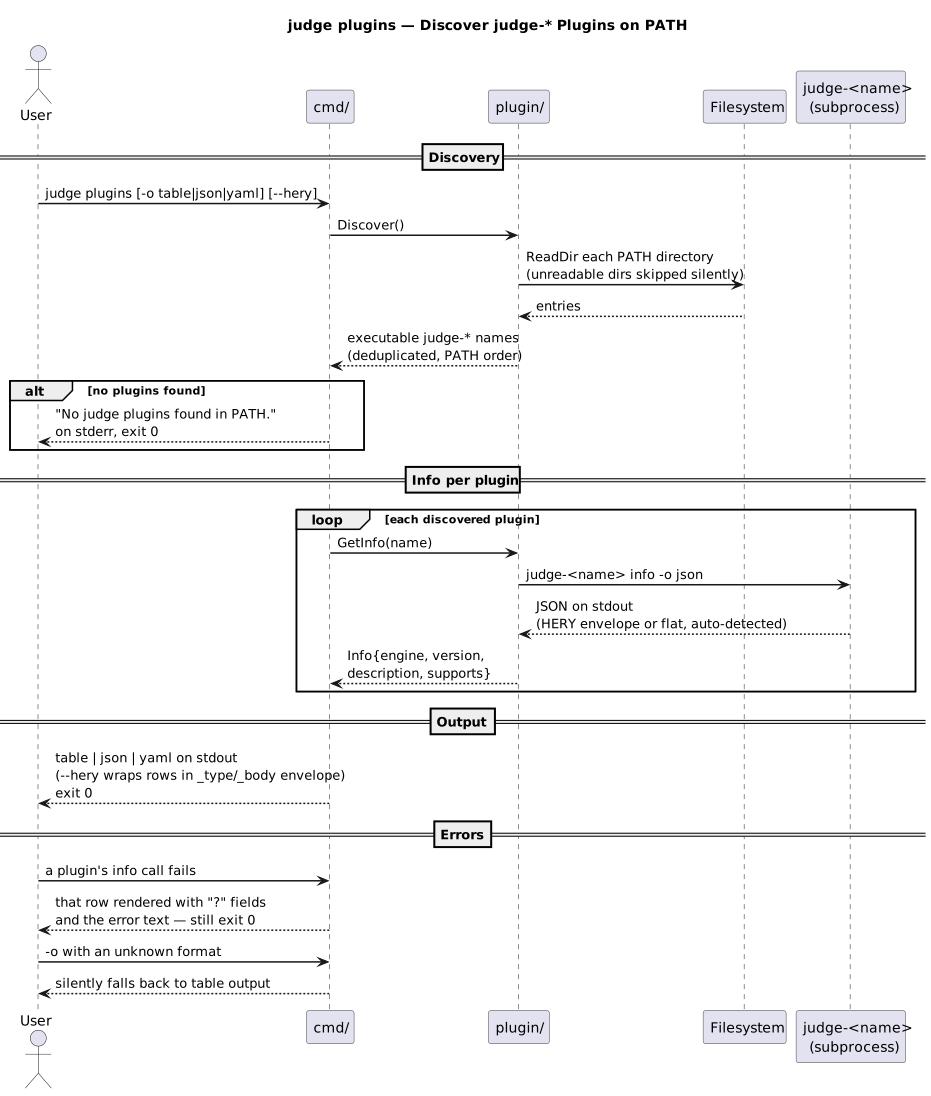
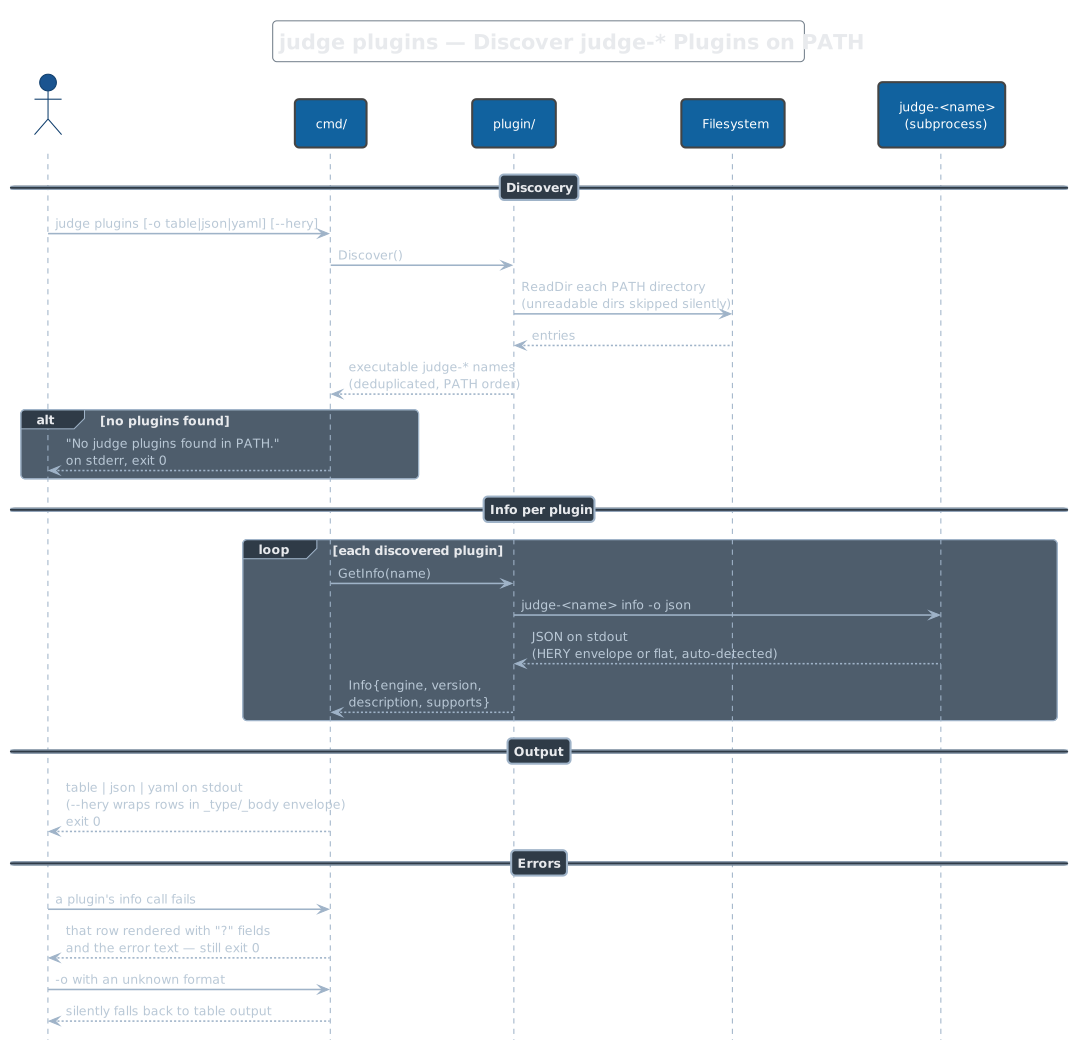
judge plugins
Scans every PATH directory for executable files named judge-*
(deduplicated, first-on-PATH wins; unreadable directories are skipped
silently), then calls each plugin's info -o json subcommand and accepts
either a HERY envelope or flat JSON. A plugin whose info call fails still
gets a row — with ? fields and the error text — and the command still
exits 0. Output is table (default), JSON, or YAML via -o, optionally
wrapped in a _type/_body HERY envelope with --hery; an unknown -o
value silently falls back to table. Finding no plugins prints a notice on
stderr and exits 0.