lighthouse Commands
Sequence diagrams for each lighthouse subcommand — the C4 dynamics level
of the lighthouse architecture. Participants are the
internal components of the tool: cmd/ (Cobra commands), alert/
(parsing and fingerprinting), config/ (YAML config loading), engine/
(the suppression pipeline), state/ (JSON state persistence under
~/.local/share/lighthouse/), and plugin/ (PATH discovery and
subprocess execution) — plus the externals they talk to: the filesystem,
stdin, and lighthouse-* notification plugin subprocesses.
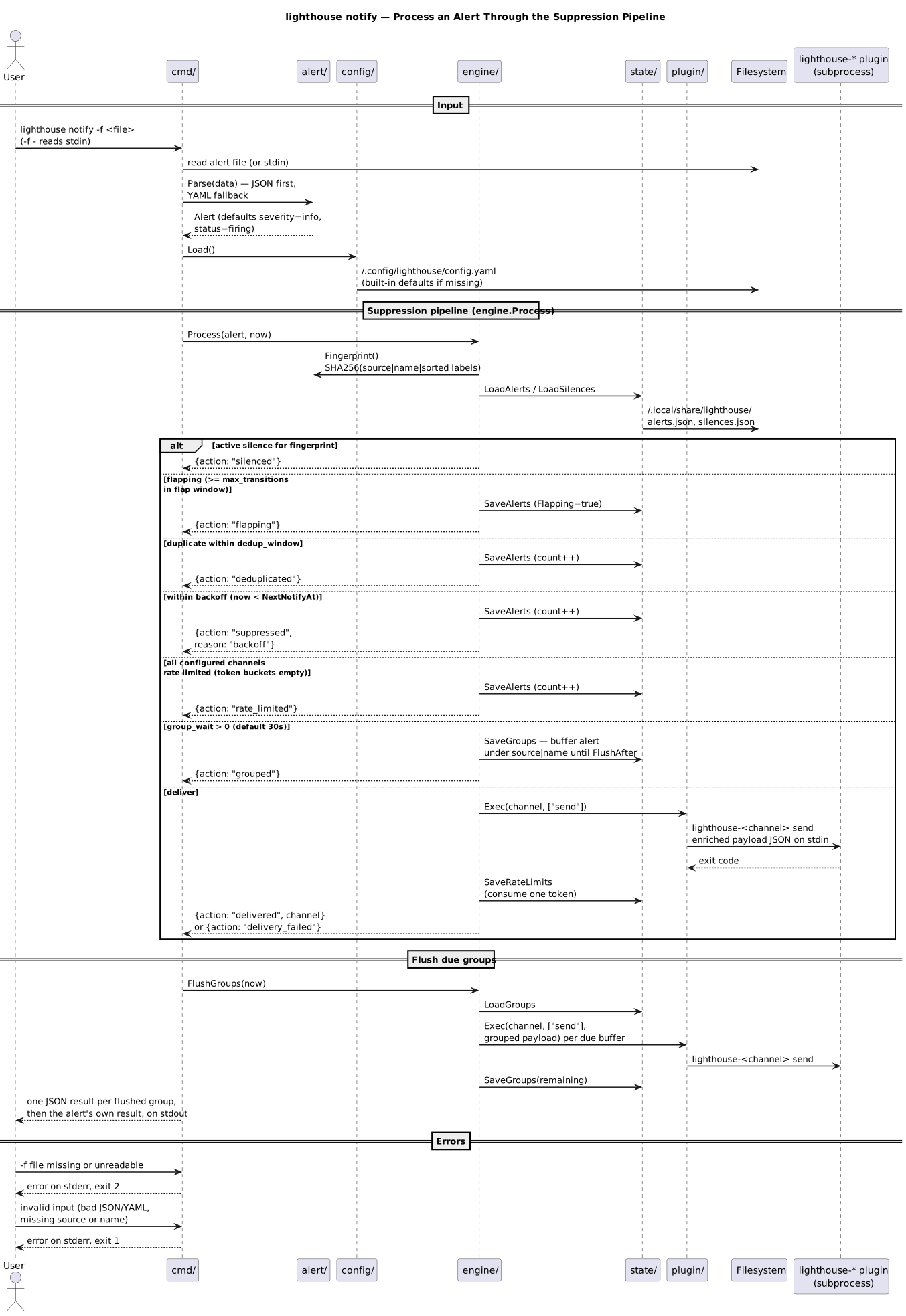
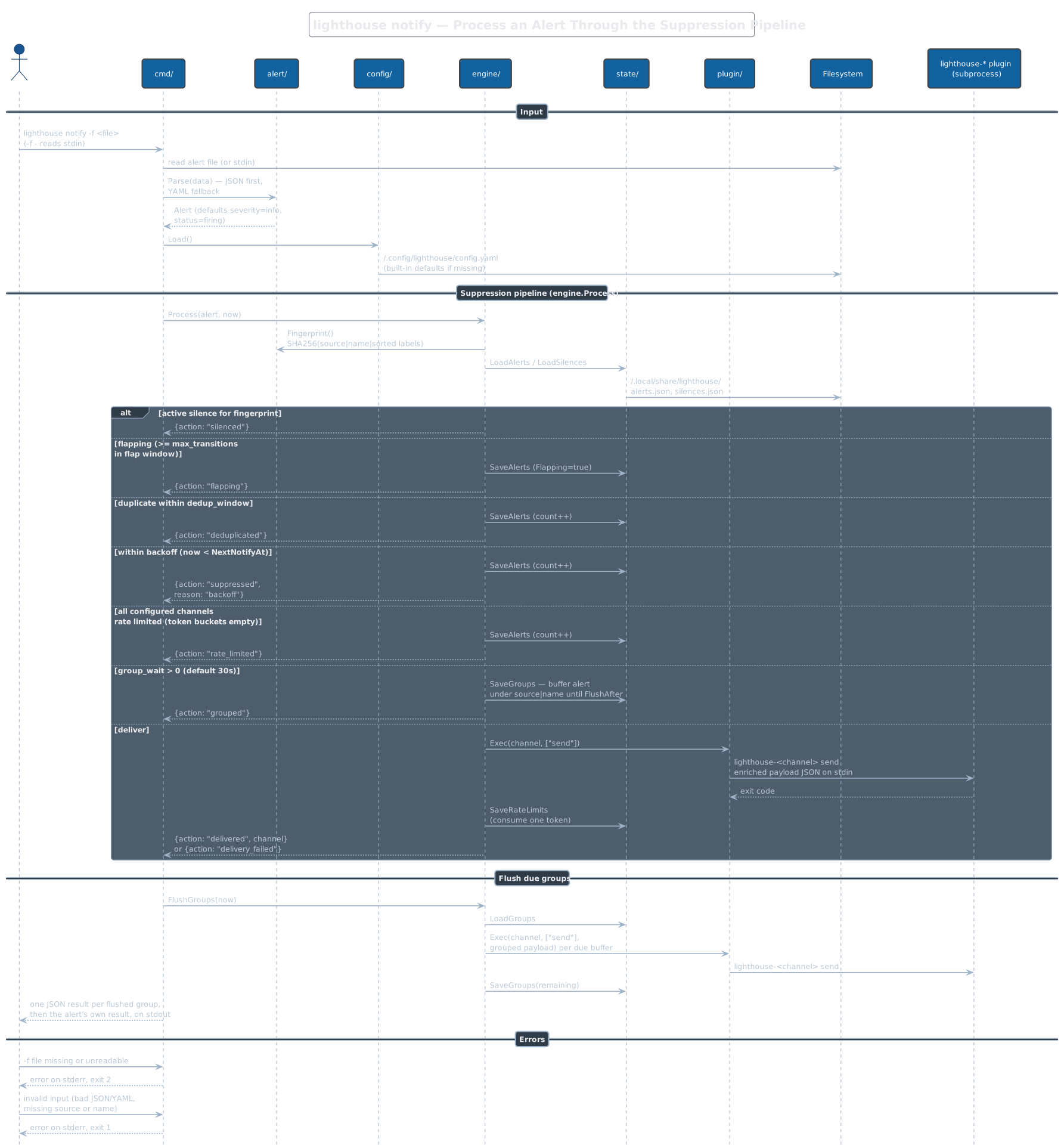
lighthouse notify
Reads one alert (JSON or YAML; -f - for stdin) and runs it through the
suppression pipeline: silence → flap detection → dedup → backoff → rate
limit → grouping, with delivery via lighthouse-* send subprocesses as the
fall-through. The result is a JSON object on stdout whose action names
the branch taken (silenced, flapping, deduplicated, suppressed,
rate_limited, grouped, delivered, delivery_failed). Every notify
run also flushes any group buffers past their group_wait deadline, so a
grouped alert is only delivered by a later notify invocation — with no
follow-up traffic a buffered group stays undelivered. An unreadable -f
file exits 2; parse and processing errors exit 1. Note that with the
default group_wait of 30s, a brand-new alert is always buffered rather
than delivered immediately, and the rate-limit check is skipped for
first-time alerts.
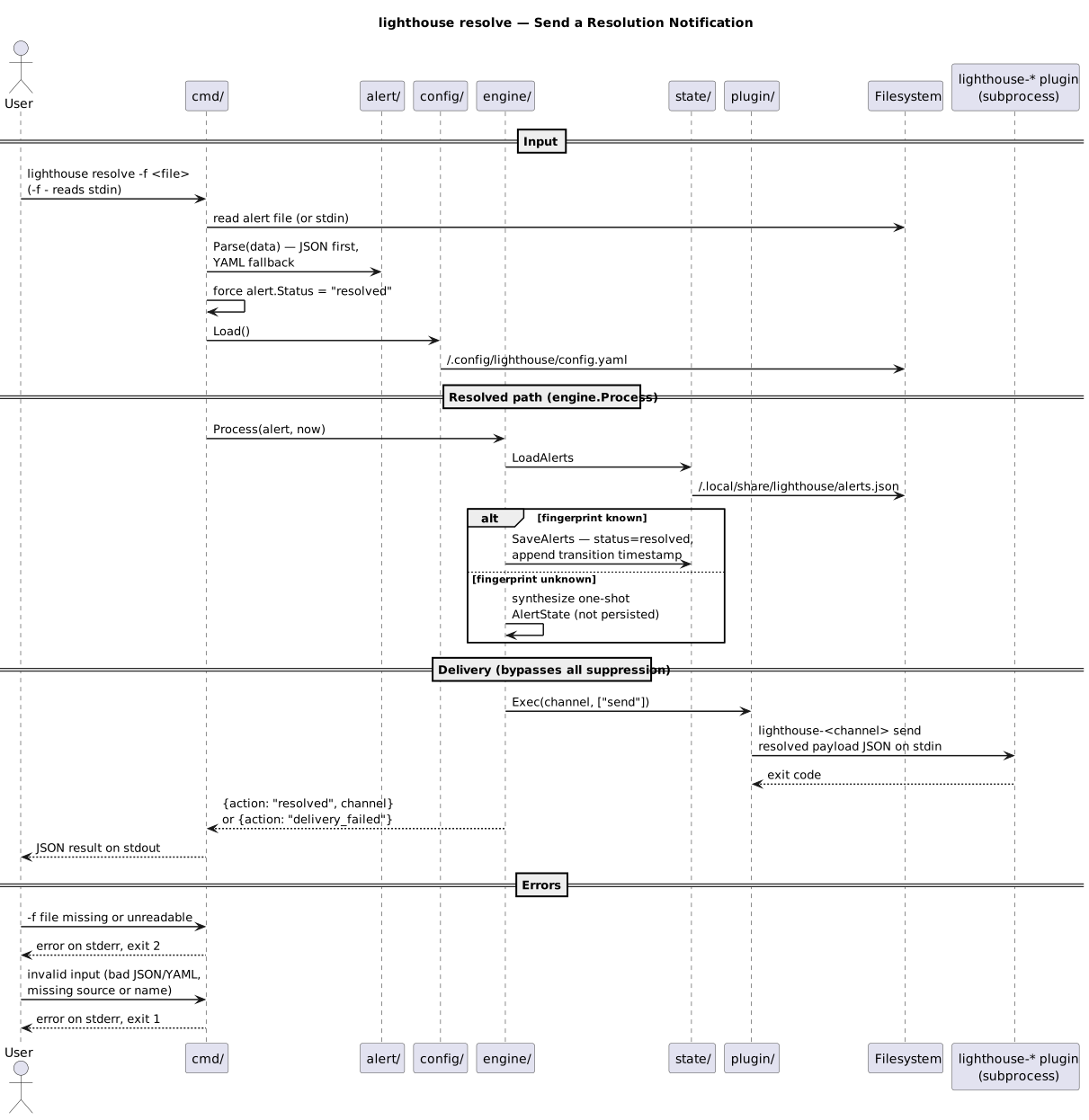
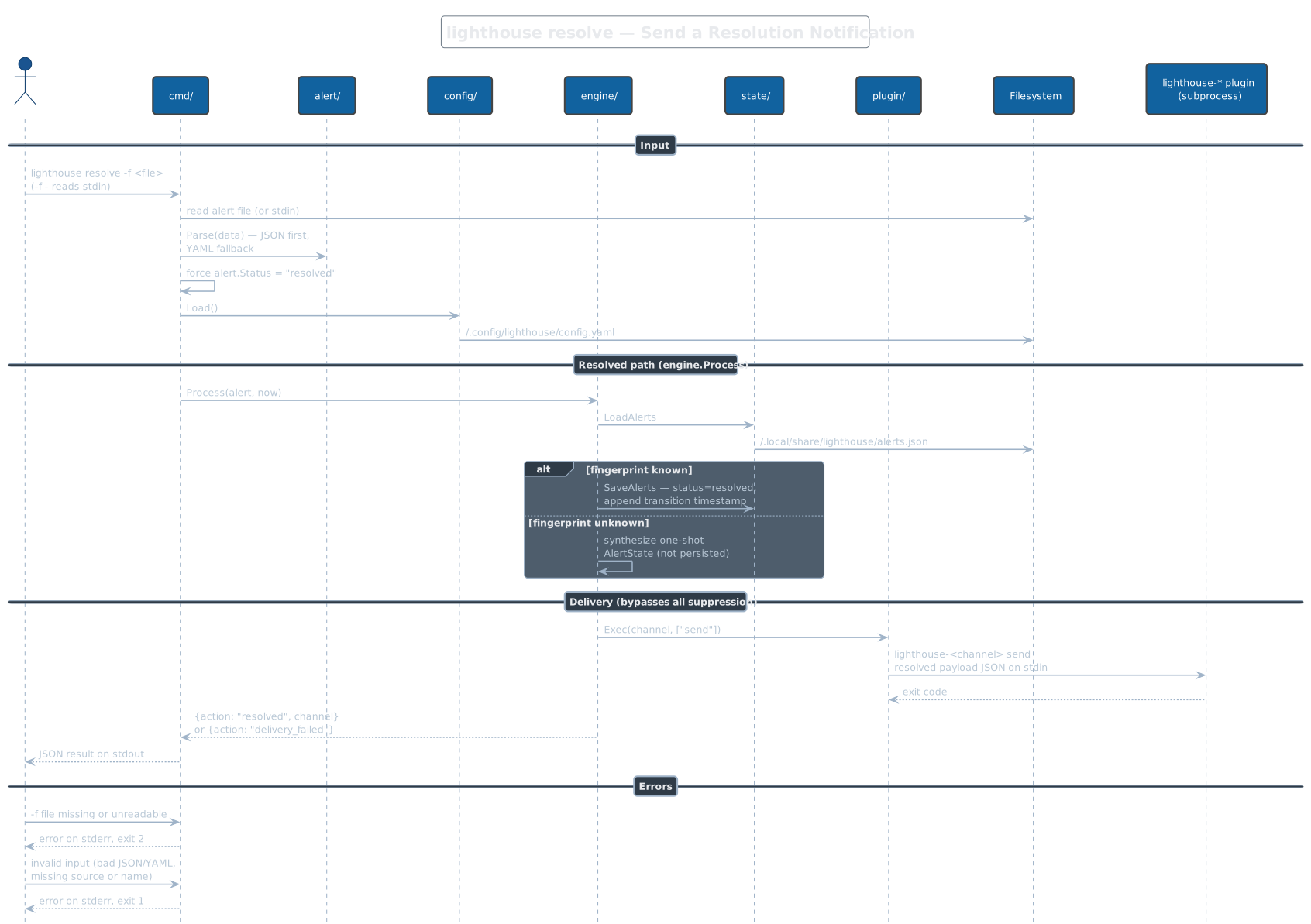
lighthouse resolve
Same input handling as notify, but the alert's status is forced to
resolved before processing. The resolved path bypasses the entire
suppression chain — no silence, dedup, backoff, rate-limit, or grouping
checks — and always attempts delivery. A known fingerprint has its state
updated (status, transition timestamp); an unknown fingerprint still gets
a resolution notification from a synthesized one-shot state that is not
persisted. Resolve does not flush pending group buffers. Exit codes match
notify (2 for unreadable file, 1 otherwise).
lighthouse silence
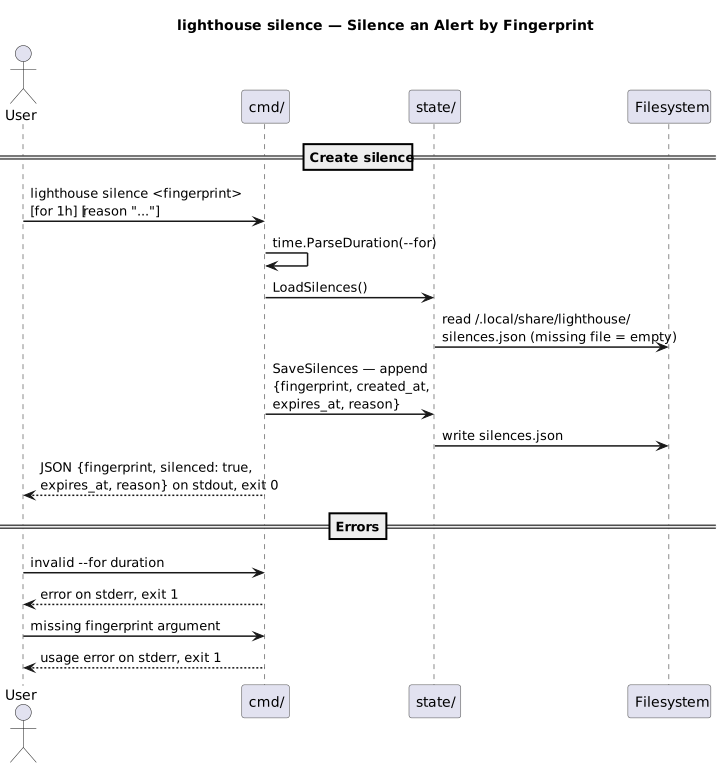
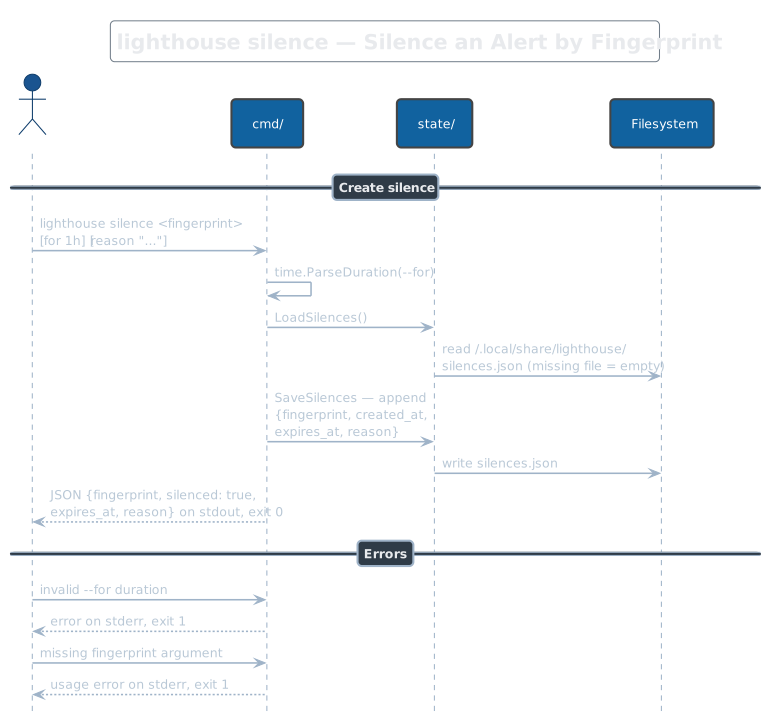
Appends a silence rule for an alert fingerprint to silences.json and
prints a JSON confirmation. --for takes a Go duration (default 1h),
--reason is free text. The fingerprint is not validated against stored
alerts, duplicate silences for the same fingerprint accumulate, and
expired silences are never pruned from the file — the engine simply
ignores them once expires_at has passed. An unparsable --for duration
exits 1.
lighthouse status
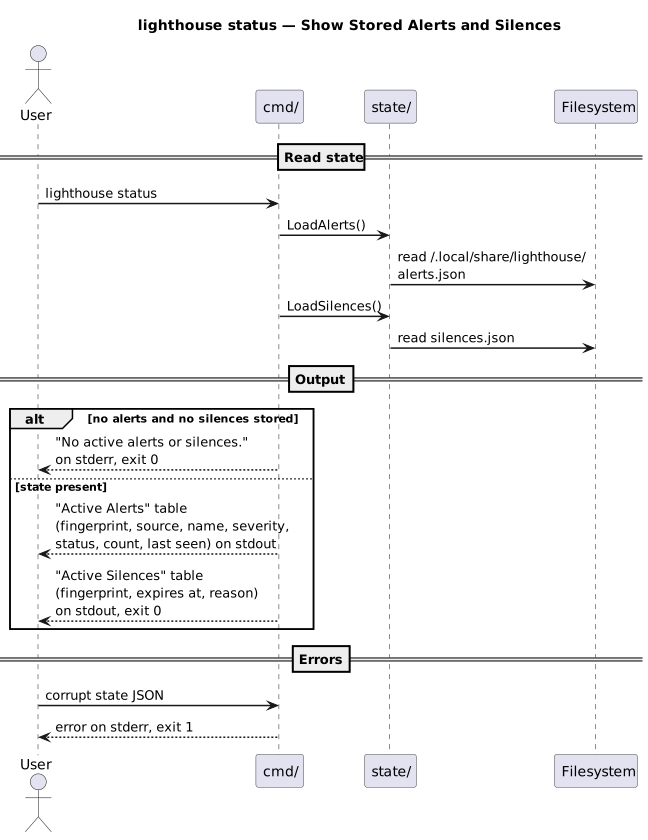
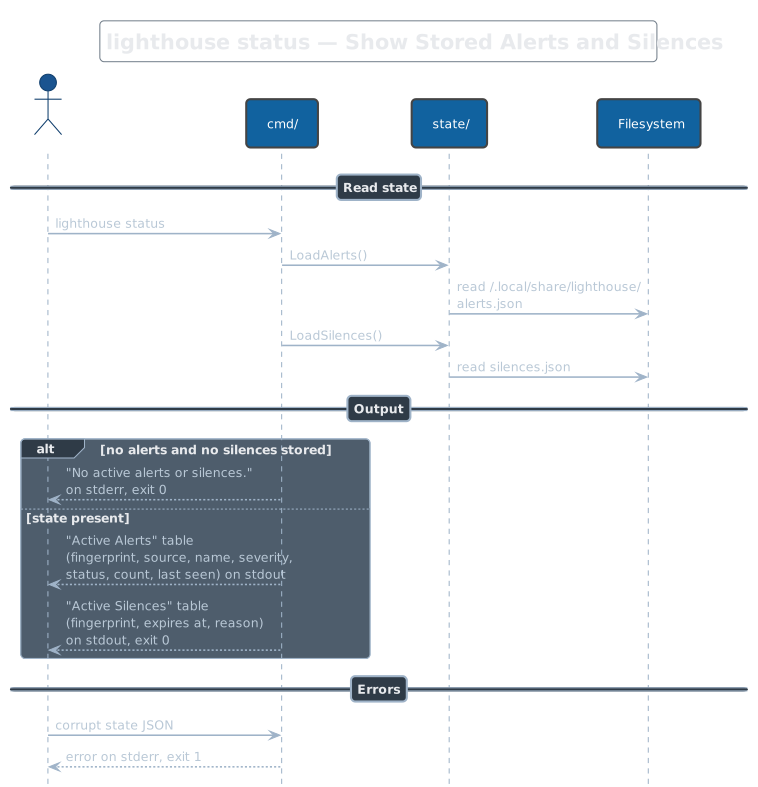
Renders two tables from the state files: stored alerts (fingerprint truncated to 12 chars, source, name, severity, status, count, last seen) and silences. When both files are empty or absent it prints "No active alerts or silences." on stderr and exits 0. The tables are labeled "Active" but are not filtered: resolved alerts and expired silences remain listed because state entries are never pruned.
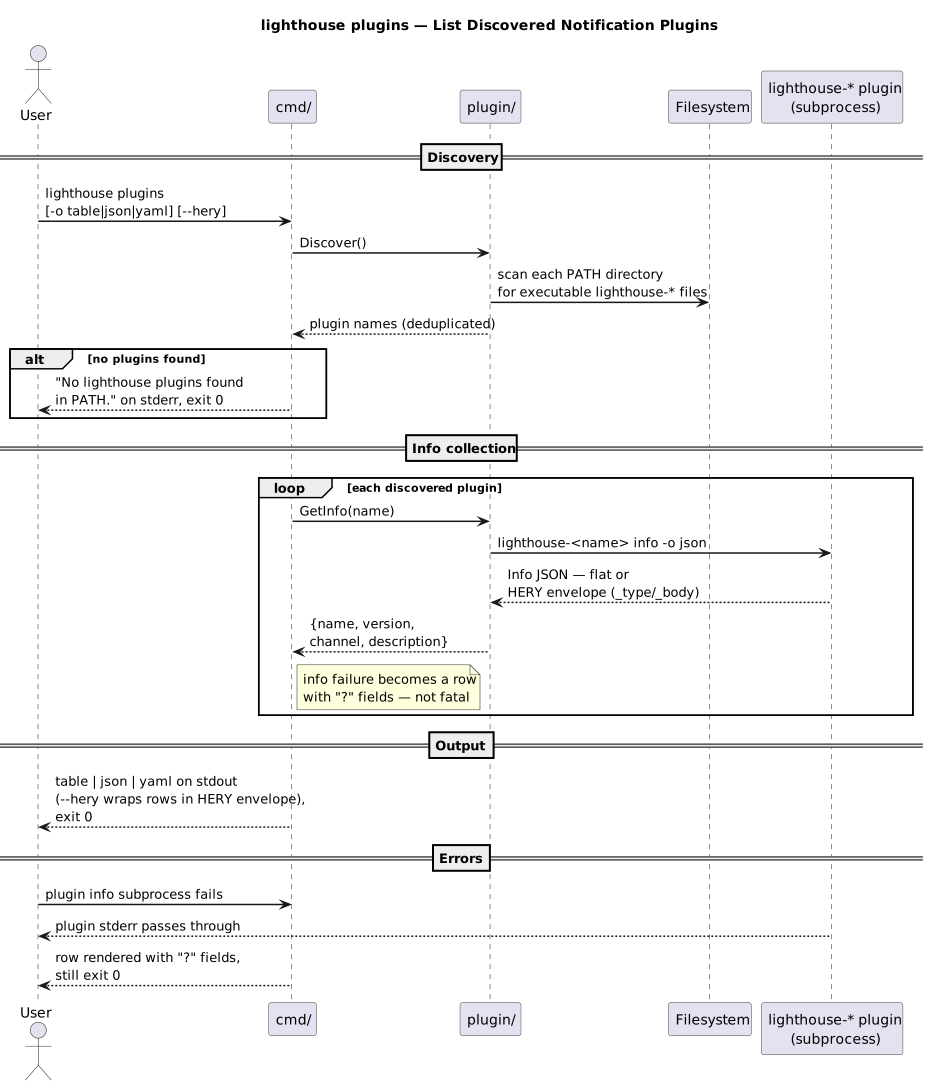
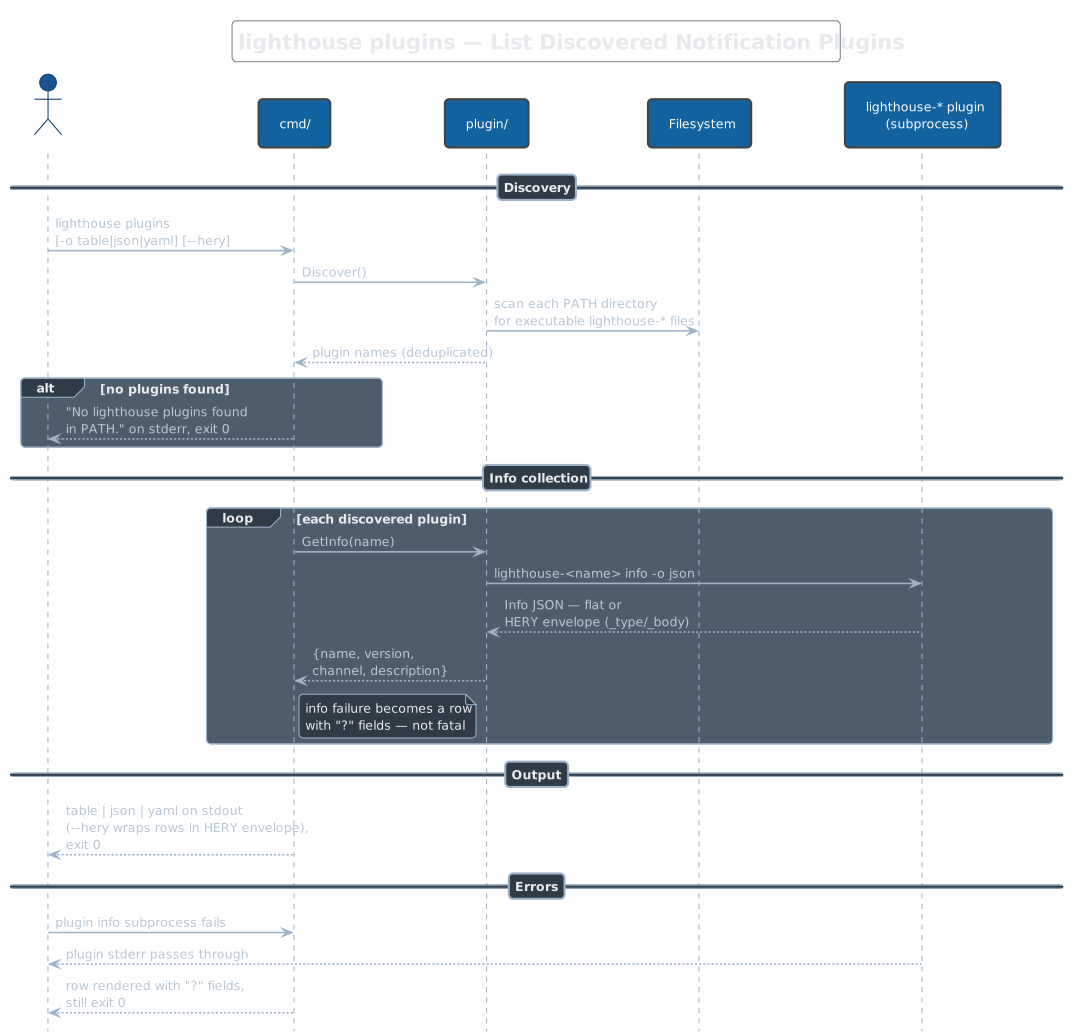
lighthouse plugins
Scans every PATH directory for executable lighthouse-* binaries, then
runs <plugin> info -o json on each — accepting both flat JSON and a
HERY envelope (_type/_body) — and renders plugin, channel, version,
and description. -o table|json|yaml selects the format and --hery
wraps the rows in a HERY envelope. A plugin whose info call fails still
appears, with ? placeholders and the error in its description; finding
no plugins at all prints a notice on stderr and exits 0.