enjoin Commands
Sequence diagrams for each enjoin subcommand — the C4 dynamics level of the
enjoin architecture. enjoin is a thin dispatcher: the internal
components are just cmd/ (the Cobra commands) and plugin/ (PATH discovery
and subprocess execution), and the real work happens in the externals — the
enjoin-* plugin binaries it spawns, the filesystem it scans for them, and
stdin when entity data is piped in.
enjoin apply
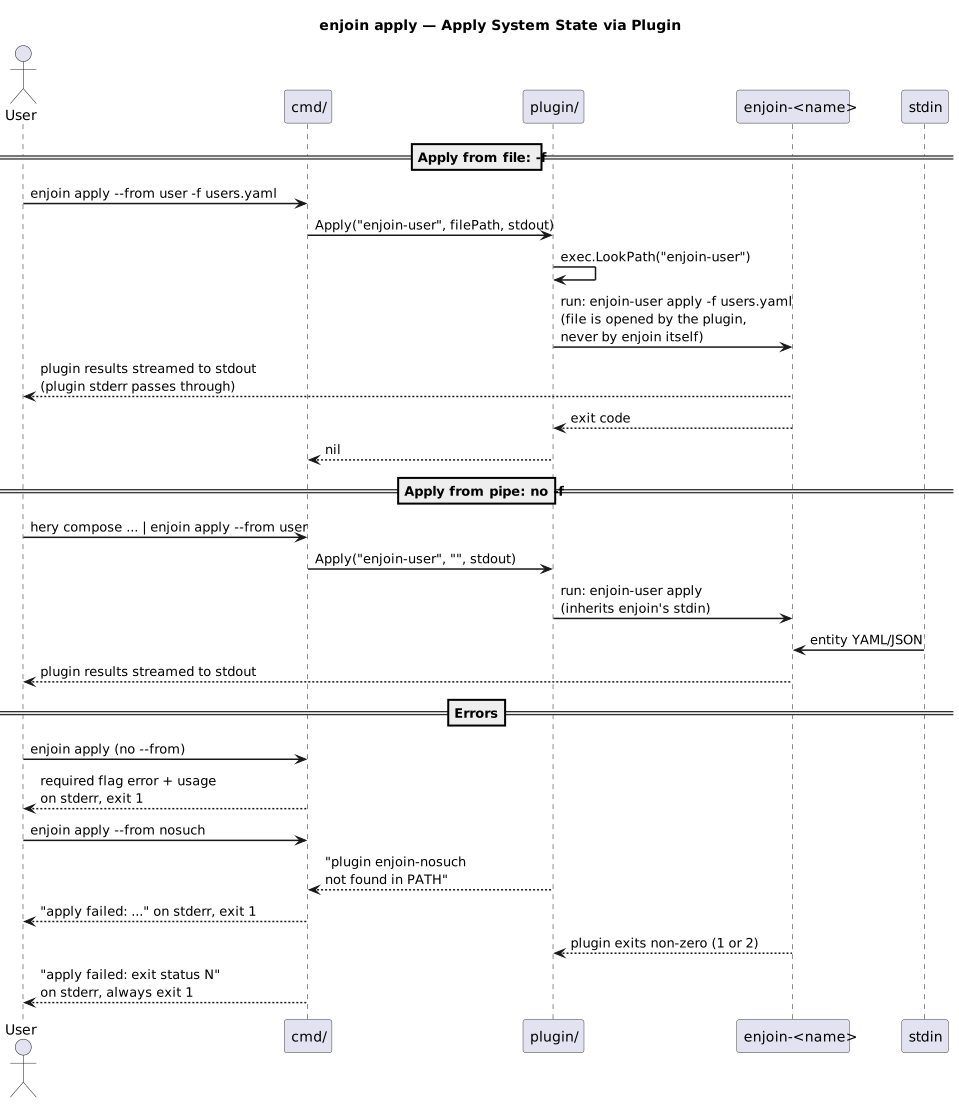
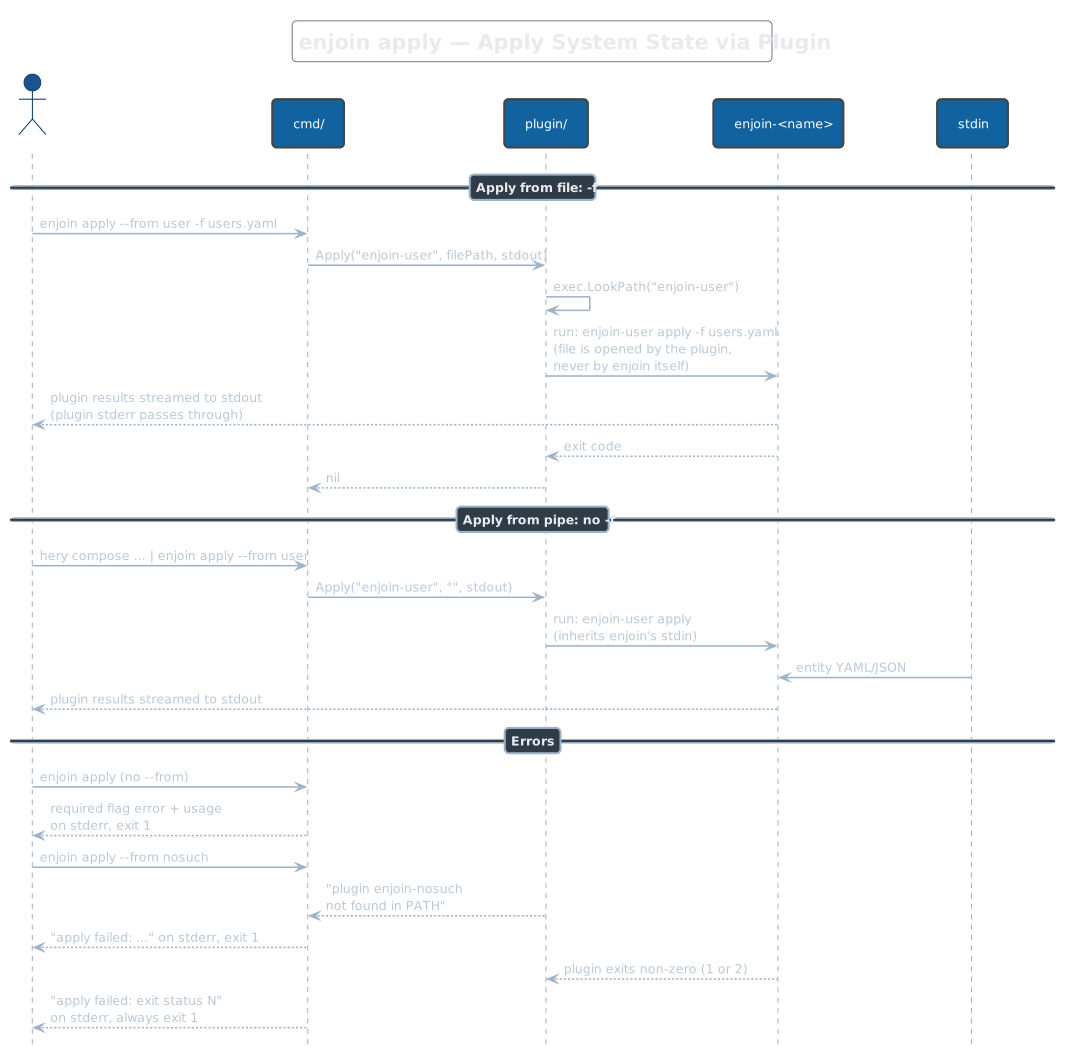
Applies system state by delegating to one plugin: --from user resolves to
the enjoin-user binary on PATH and runs enjoin-user apply. With -f the
file path is forwarded and the plugin opens it itself — enjoin never reads
the data; without -f the plugin inherits enjoin's stdin, which is what makes
hery compose ... | enjoin apply --from user work. Plugin stdout and stderr
pass straight through. Any plugin failure surfaces as apply failed: ... with
exit 1 — the plugin protocol's usage-error code 2 is not propagated by the
dispatcher.
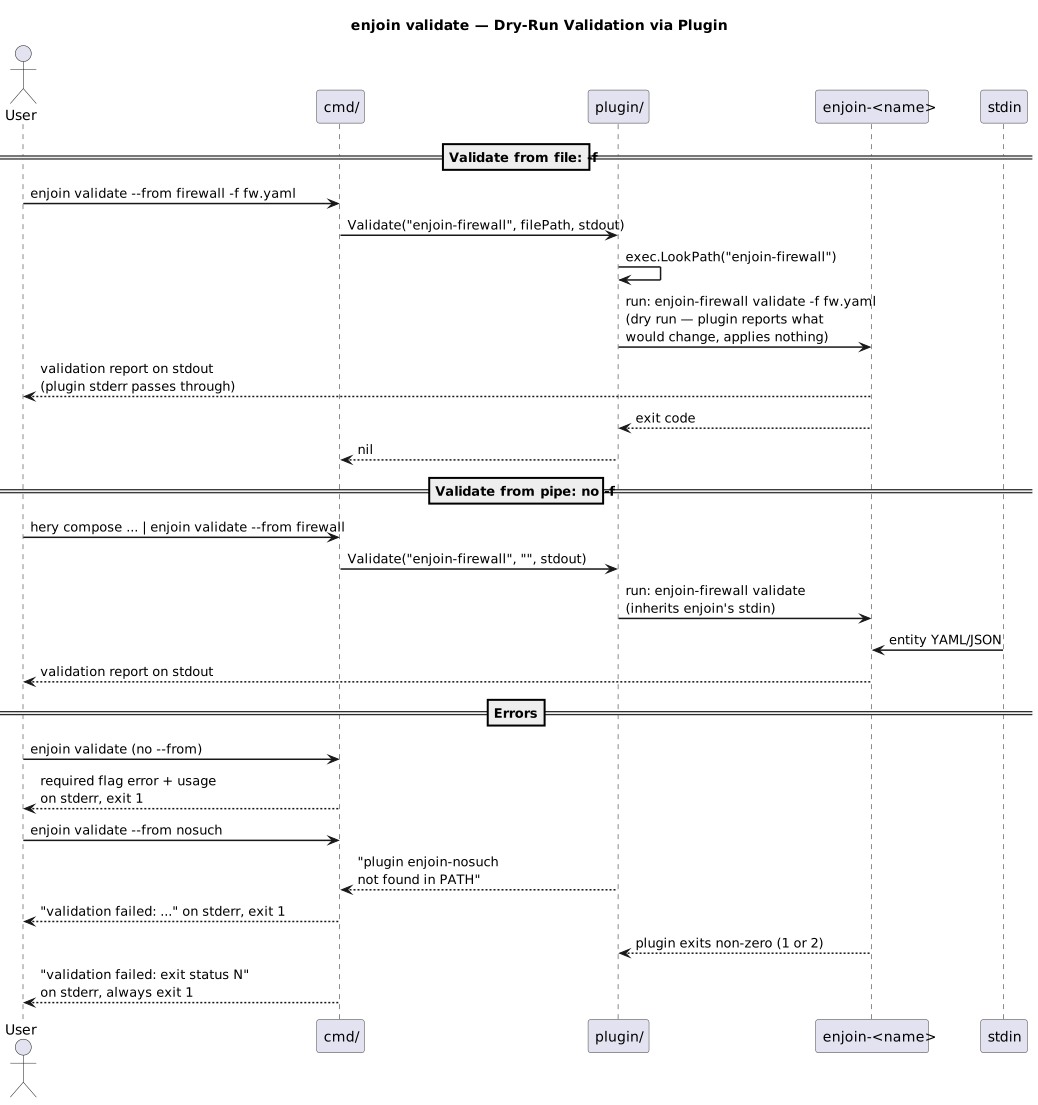
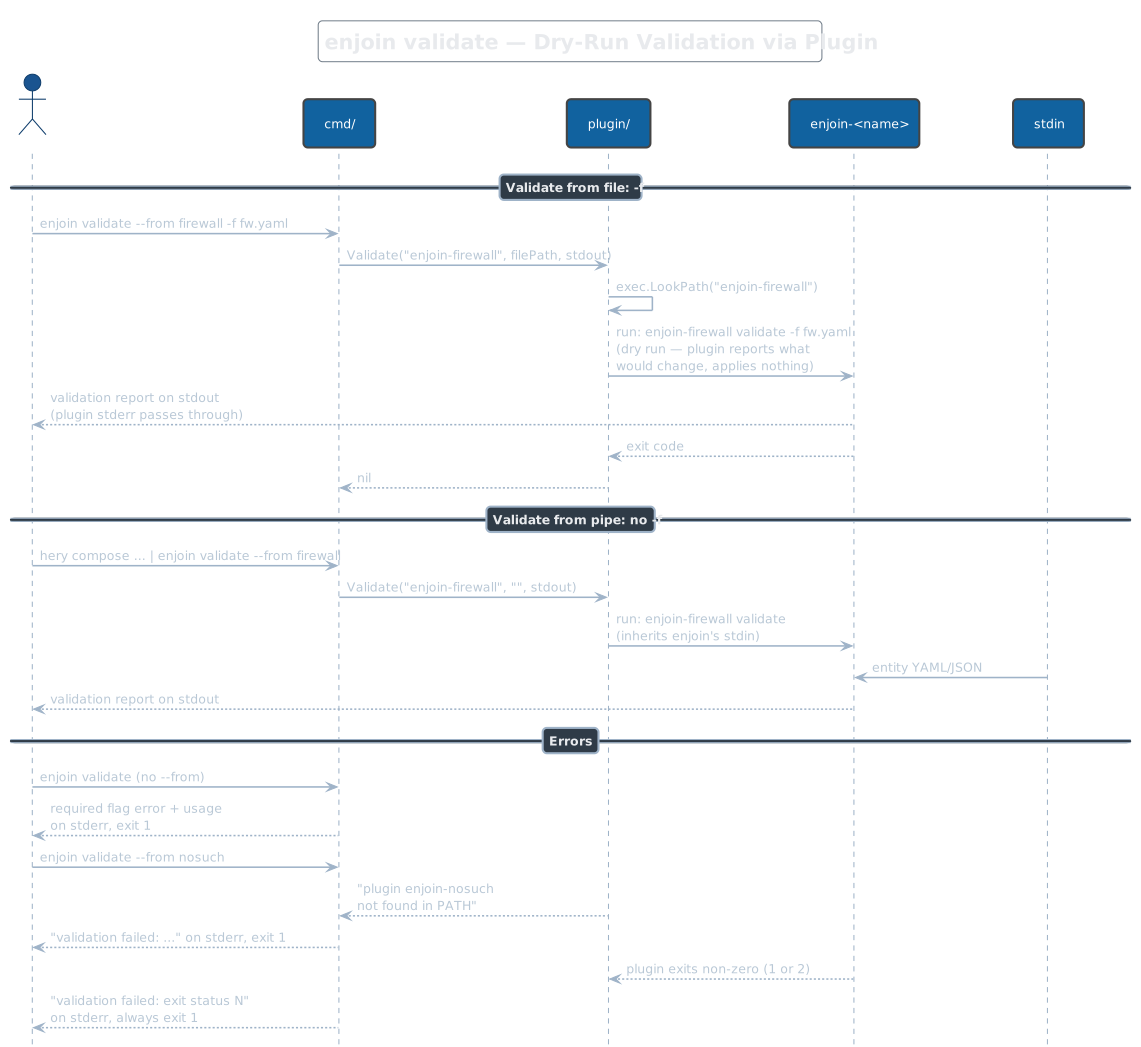
enjoin validate
Identical wiring to apply, but runs the plugin's validate subcommand: a
dry-run mode intended to report what would change without touching the system. Whether
anything is actually mutated is entirely the plugin's contract — enjoin itself
only picks the subcommand. Same --from (required) and -f/stdin behavior;
failures surface as validation failed: ... on stderr with exit 1.
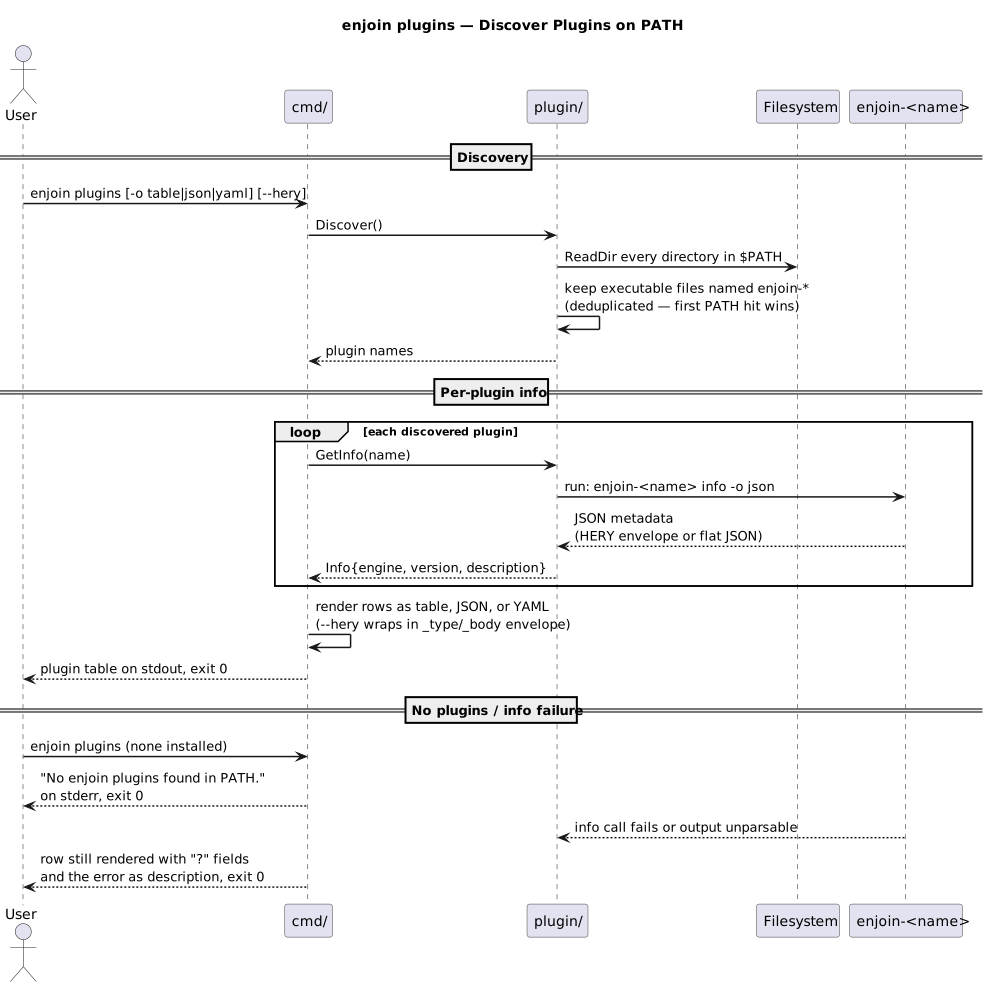
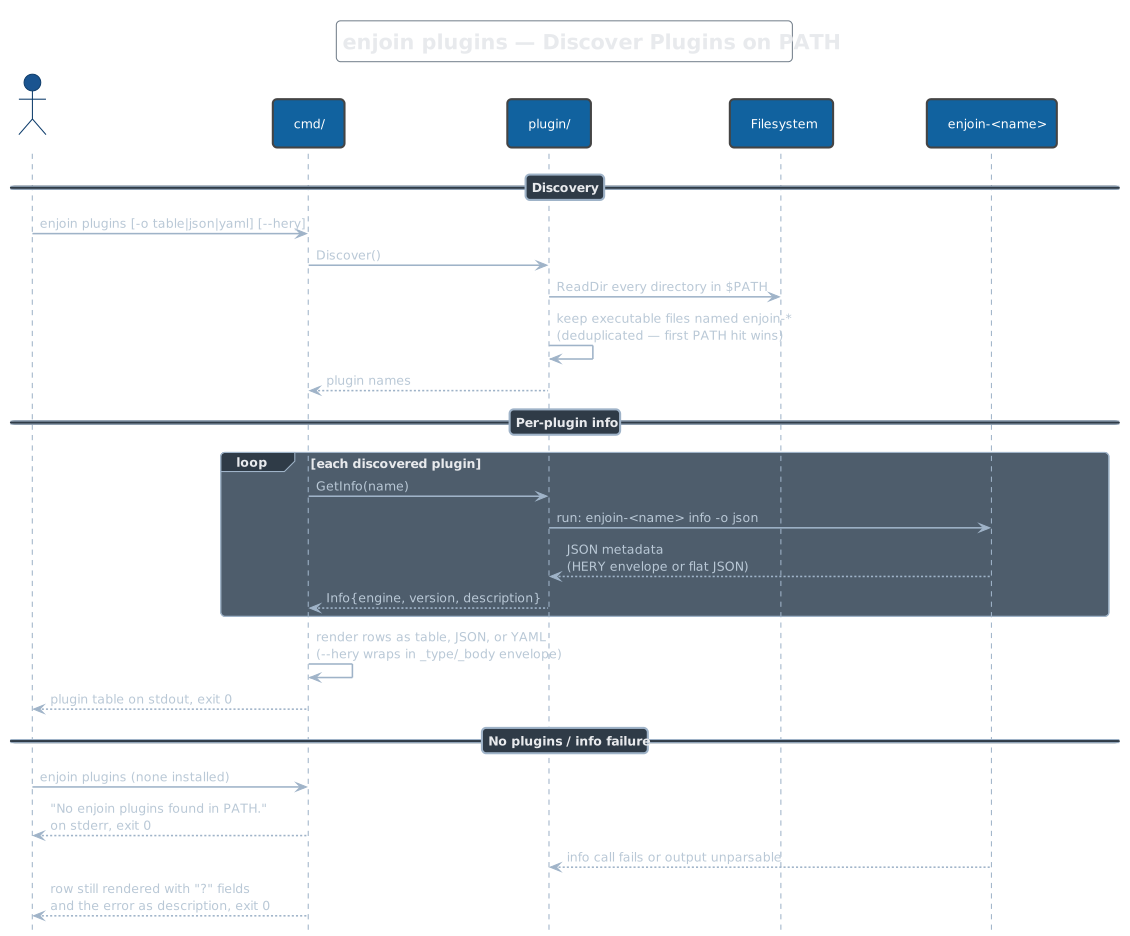
enjoin plugins
Scans every PATH directory for executable files named enjoin-*
(deduplicated by name, first PATH hit wins), then calls each one's
info -o json and renders a table — or JSON/YAML via -o, optionally
wrapped in a HERY _type/_body envelope with --hery. Info responses in
either HERY envelope or flat JSON form are accepted. Finding no plugins is
not an error: a notice goes to stderr and the exit code is 0; a plugin whose
info call fails still gets a row, with ? placeholders and the error text
as its description.